From a black rhino that we hadn’t seen in two years, to reuniting two calves with their respective mothers - the 2026 rhino management horn trimming in Hluhluwe-iMfolozi Park was successful in every way.
With 96000ha of wilderness protected, Wild Wonderful World Conservation funded 25h of helicopter time for this year’s horn trimming. That’s USD 46,000 that YOU helped us raise, turning funding into protection. The Ezemvelo Game Capture Unit, helicopter pilots and supporting veterinary teams made the most out of the funding, by averaging out one rhino horn trimmed every 8.5 minutes!
As Wild Wonderful World Conservation, we have contributed to and participated in several large scale horn trimming operations since 2022, and this one was exceptionally efficient. Throughout the operation, we managed to horn trim a number of rhino with significant regrowth - indicating perfect timing.
We are proud to collaborate with Ezemvelo KZN Wildlife, African Wildlife Vets, and WWF to ensure the continued protection of this iconic rhino population.
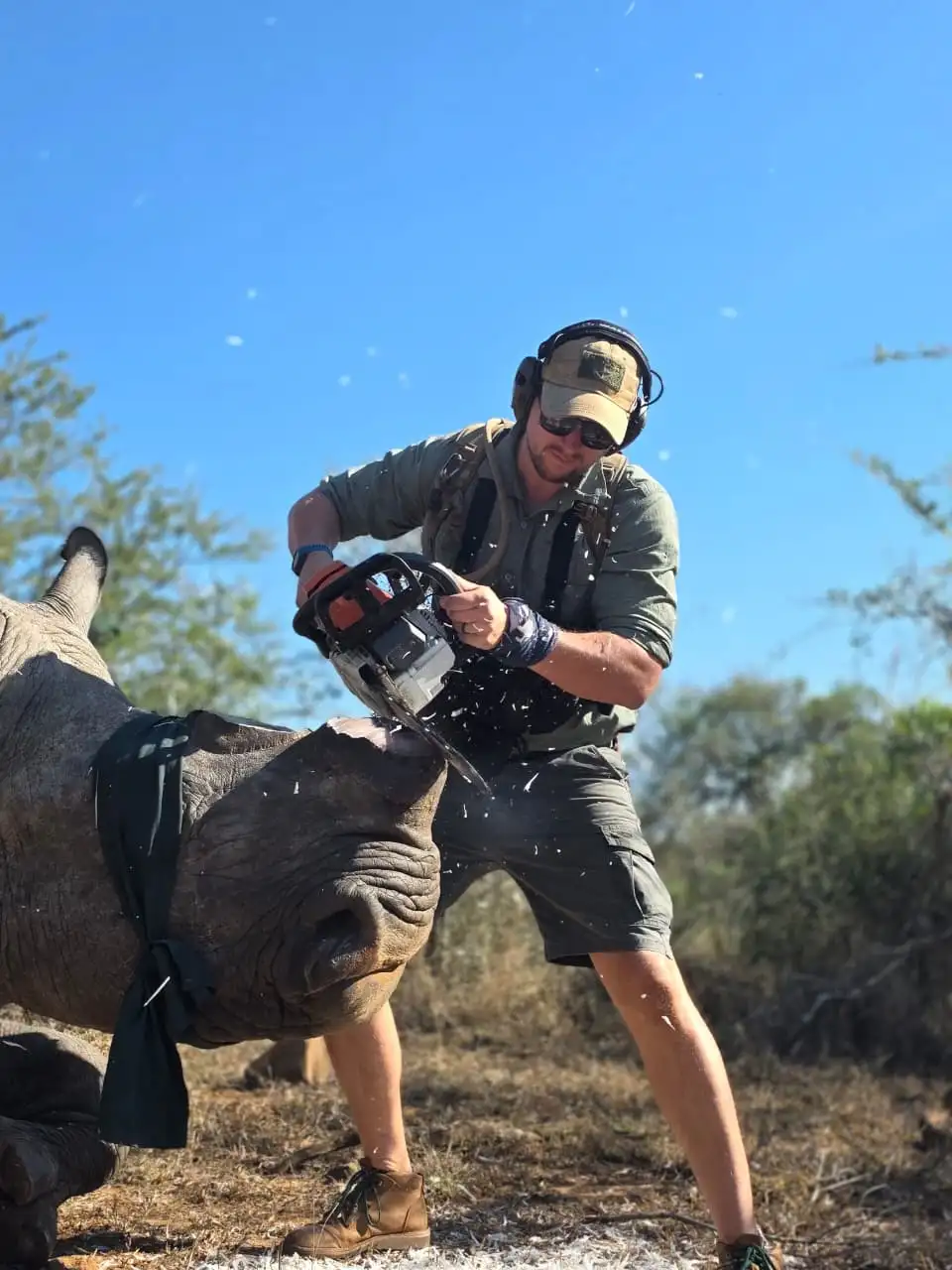
The rhino population in Hluhluwe-iMfolozi Park(HiP) face intense poaching pressure. In 2023, 61% of all rhinos poached in South Africa were from HiP. This prompted a change in rhino management on the reserve, introducing horn trimming for the first time ever in 2024. The strategy continues to prove successful, resulting in poaching incidents falling by 67% year-on-year. Rhino horn trimming is the only statistically proven method of reducing poaching. HiP now undertakes an annual maintenance horn trimming program on its rhino population as part of Ezemvelo's Rhino Guardianship Strategy.
The HiP rhino population carries important historical and genetic importance. Rinos from HiP were translocated to repopulate major national parks across Southern Africa, including the Kruger National Park, once before and we need to make sure that their population stays strong in case we need them to do it again.
Due to severe government underfunding, WWW has co-funded this maintenance horn trimming since 2024 and is committing to continue this annually. You can read the 2025 report here. Rhino horn (keratin) regrows at an average 15cm per year. To maintain effectiveness, the entire population has to be re-trimmed every 18–24 months. Some poaching of dehorned rhinos has sadly continued because poachers target horn stumps and regrowth, signaling the importance of regular horn trimming.
The 2026 horn trimming operation at HiP worked to trim 50% of their rhino population in order to maintain the horn trimmed status and ultimately decrease the appeal of HiP as a target to potential poaching syndicates. Wild Wonderful World assisted this operation by funding R750,000 which covered 25 Squirrel helicopter hours.
As part of our Flying For Conservation pillar, we directly fund helicopter hours for operations where efficiency is measurably improved through access to light aircraft and helicopter for wildlife conservation. HiP has a large Wilderness area and is unique in that more than 55% of their rhino population are found in areas that are inaccessible to vehicles.
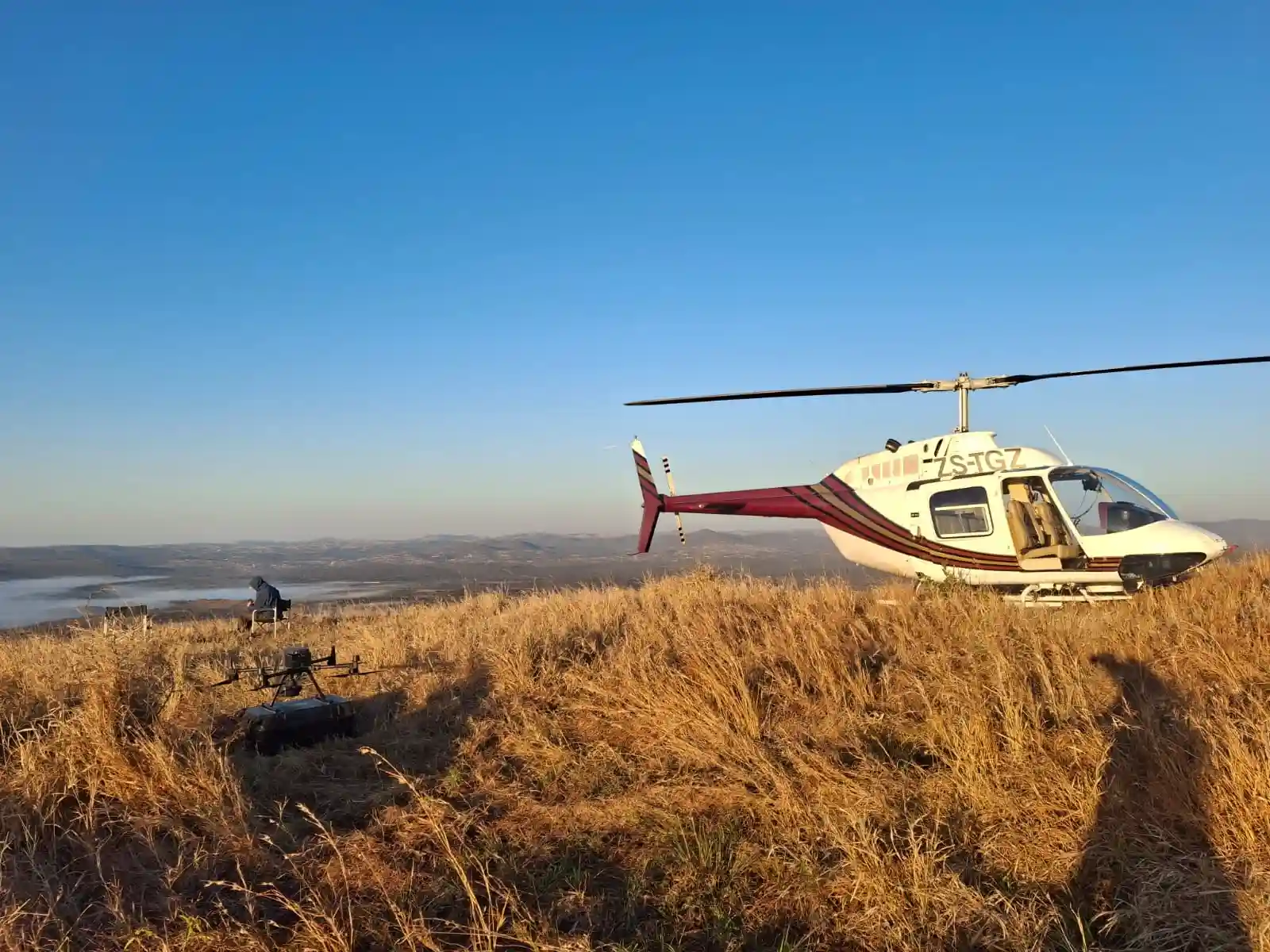
Due to this, the conventional method of using a R44 helicopter to dart the rhino and a ground team following in vehicles to access the sedated rhino via vehicle isn’t possible. Instead, two helicopters are deployed - a R44 for aerial darting (4 seater with pilot and veterinarian) and a Squirrel helicopter (6 seater) for deploying dedicated teams of four people to horn trim and administer sedatative reversal to an immobilized rhino.
This year, Grant was one of the pilots flying the R44 for Heligistix as the contracting operator. Michelle joined one of the deployment teams.
She reports back:
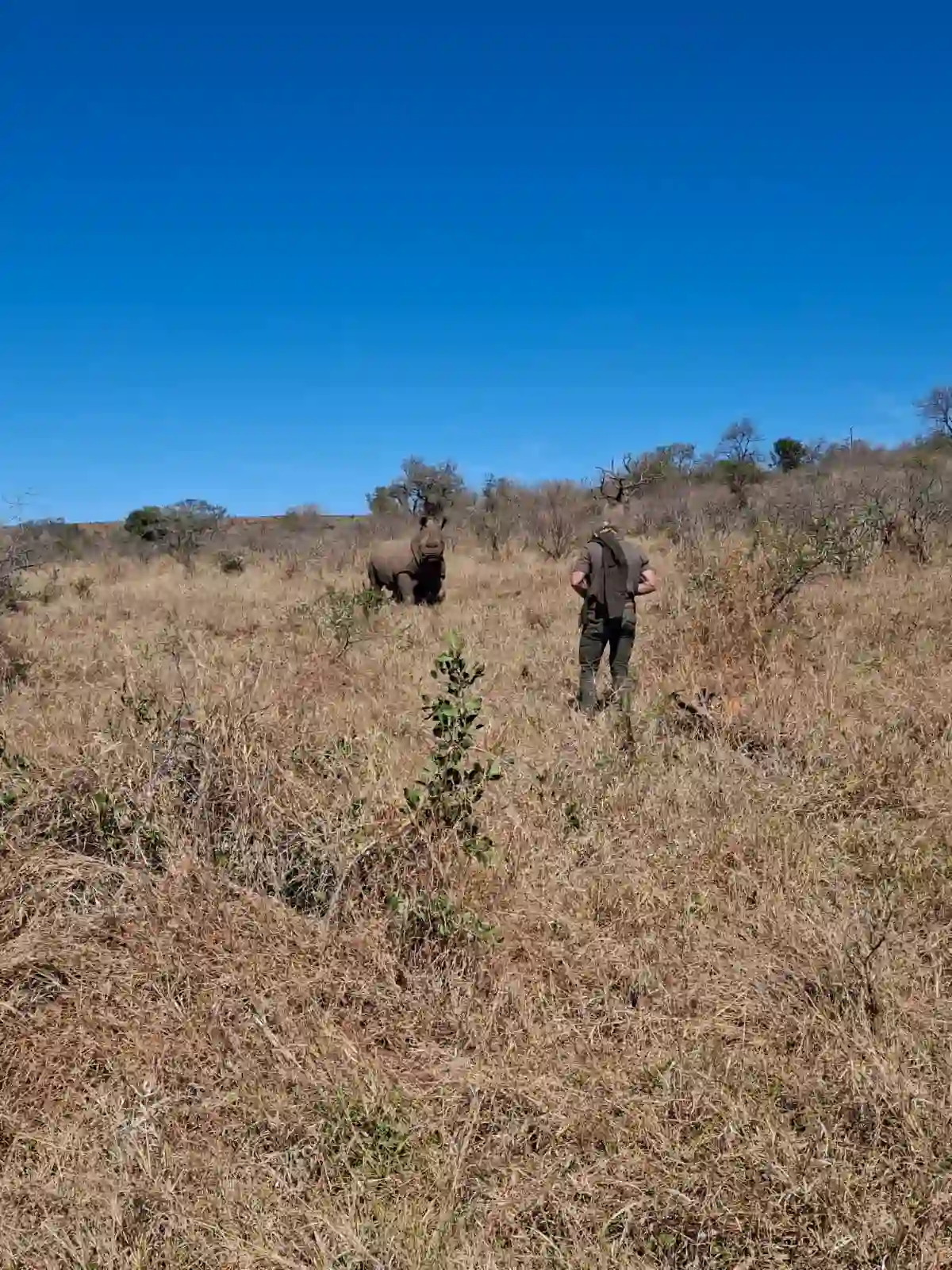
"It was truly impressive being a part of such an efficient and effective operation. The nimble R44 helicopter located rhino to be horn trimmed, the vet on board would dart the rhino, continue to monitor from the air and then guide the Squirrel (a larger, 6-seater helicopter). The Squirrel would then land near the rhino and drop off the horn trimming team.
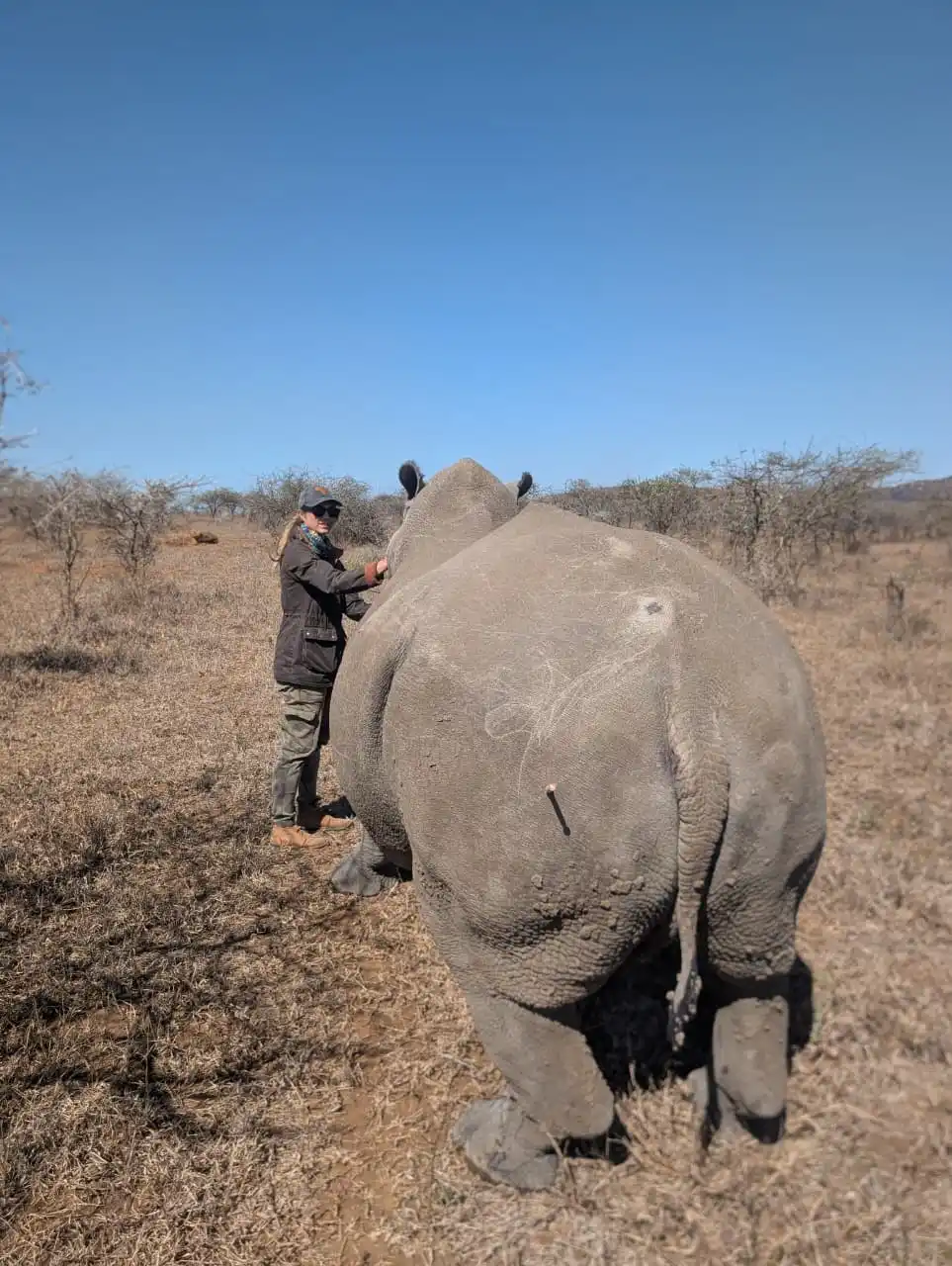
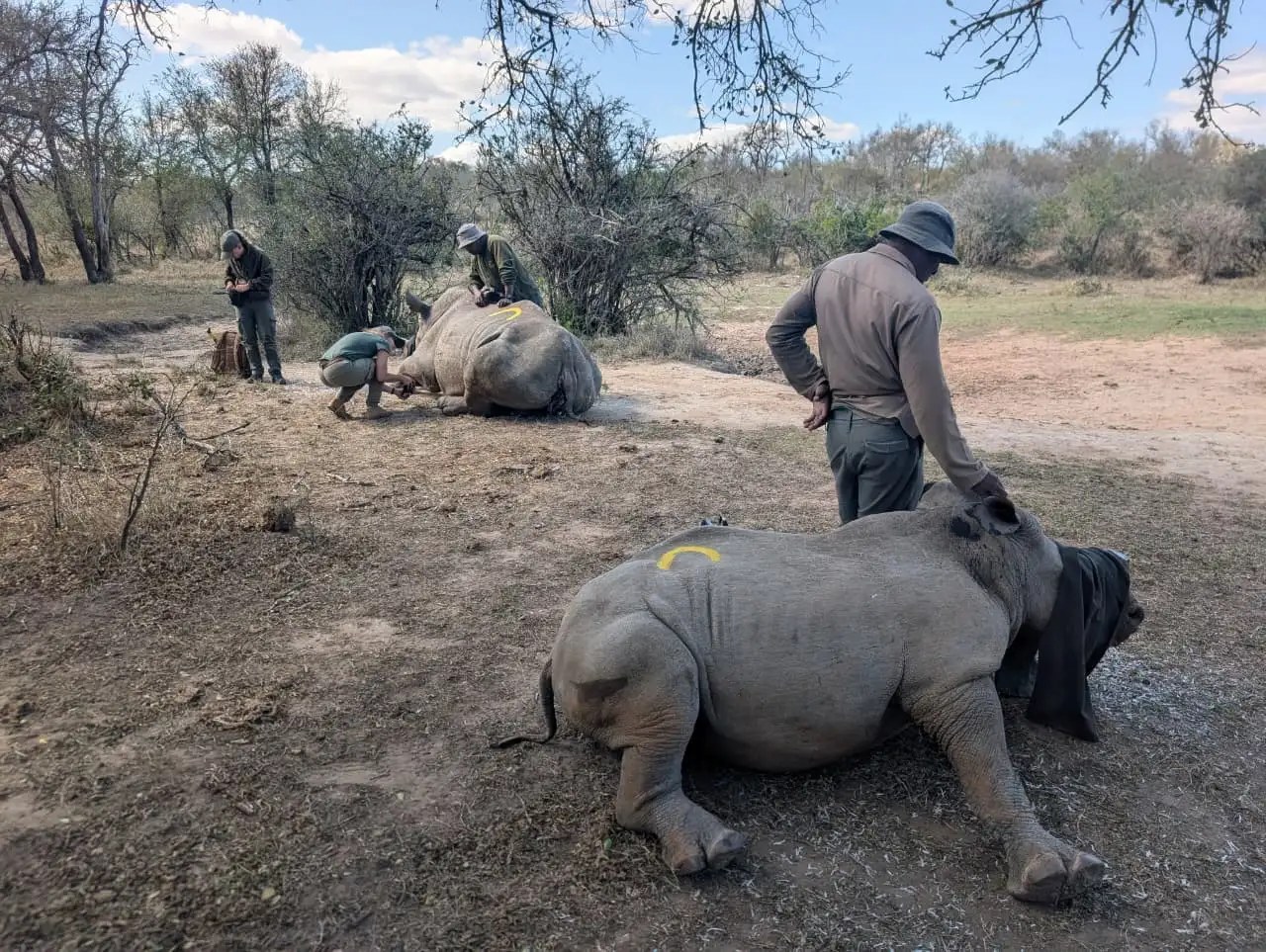
After the team had leapt out and ran to the rhino, the animal would be stabilised and the horn safely trimmed. After administering the reversal drug, we’d wait in a safe location to monitor the wake up. Once the rhino had safely woken up, we were then picked up by the Squirrel once again and dropped off at the next rhino.
Simultaneously, two other ground teams were doing the same in different locations. It was beyond impressive to see how everyone worked together. In the end, we averaged horn trimming on one rhino every 8.5 minutes of helicopter flying - absolutely incredible!! It is the most effective use of funding I have ever seen.”
Here are some ways you can help:
Ensuring that your funds are used exactly how you want, you will receive a personalised thank you message from our team, informing you of when and where your funds have been used. If desired, we can also issue 501(c)3 and 18A tax deductible certificates for US and SA residents, respectively.
We send quarterly progress updates on our projects via our mailing list. We include photographs and if we get permission to film, a short video. If you prefer to receive personal updates, please leave us a note on the checkout page or contact us directly.
For donors who contribute more than USD 10,000 per year, we will host a personal video call to give feedback/updates, including a Q&A with the lead person in charge of the operation.
Our bank details are as follows:
UNITED STATES
Bank: Chase Bank
Acc. Name: Wild Wonderful World Conservation, Inc.
Account Number: 551358321
Routing/ABA No: 021000021
Swift/BIC Code: CHASUS33
Bank Address: JP Morgan Chase Bank, 270 Park Avenue, New York, NY 10017
SOUTH AFRICA
Acc. Name: Wild Wonderful World Conservation NPC
Bank: FNB (First National Bank)
Branch: Hoedspruit 270652
Account type: Cheque account
Acc. No: 6292 4522 198
SWIFT: FIRNZAJJ
Written by Michelle Pengilly and Evelyn Poole, Wild Wonderful World Conservation founders and directors.
.webp)