
The rhino population in Hluhluwe iMfolozi (HiP) is facing intense poaching pressure. In 2023, 61% of all rhinos poached in South Africa were from HiP. This prompted a change in rhino management on the reserve, introducing horn trimming. HiP now undertakes an annual maintenance horn trimming program on its rhino population as part of Ezemvelo's Rhino Guardianship Strategy.
Due to severe government underfunding, WWW has co-funded 2024 and 2025's operations and is committing to continue this annually. Rhino horn (keratin) regrows at an average 15cm per year. To maintain effectiveness, the entire population has to be re-trimmed every 18–24 months. Some poaching of dehorned rhinos has continued because poachers target horn stumps and regrowth, signaling the need for regular horn trimming. The 2025 horn trimming operation at HiP worked to dehorn 50% of their rhino population in order to maintain the dehorned status and ultimately decrease the appeal of HiP as a target to potential poaching syndicates.
Wild Wonderful World assisted this operation by funding R500,000 which was used to pay for helicopter hours.
The Wilderness Challenge
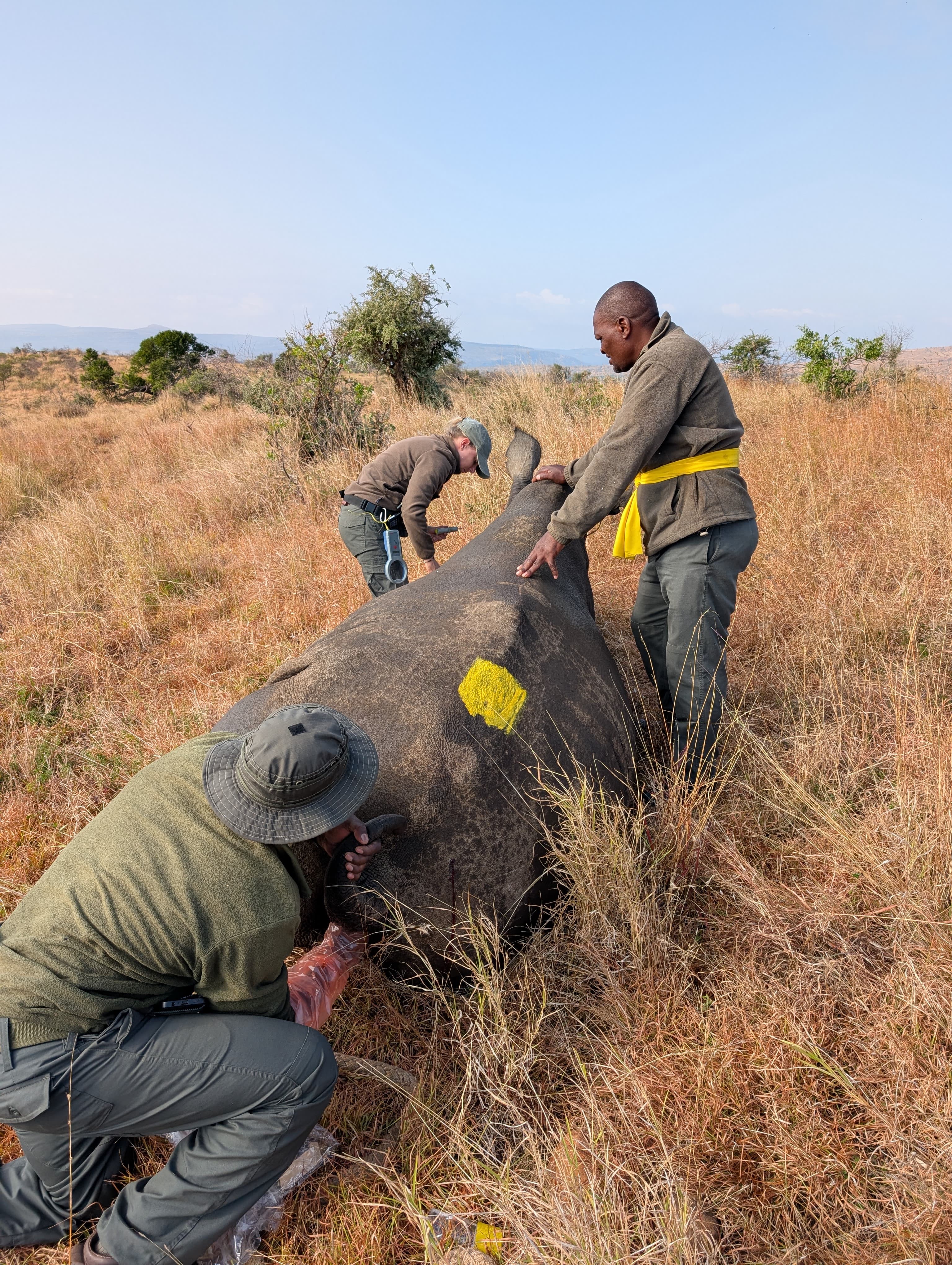
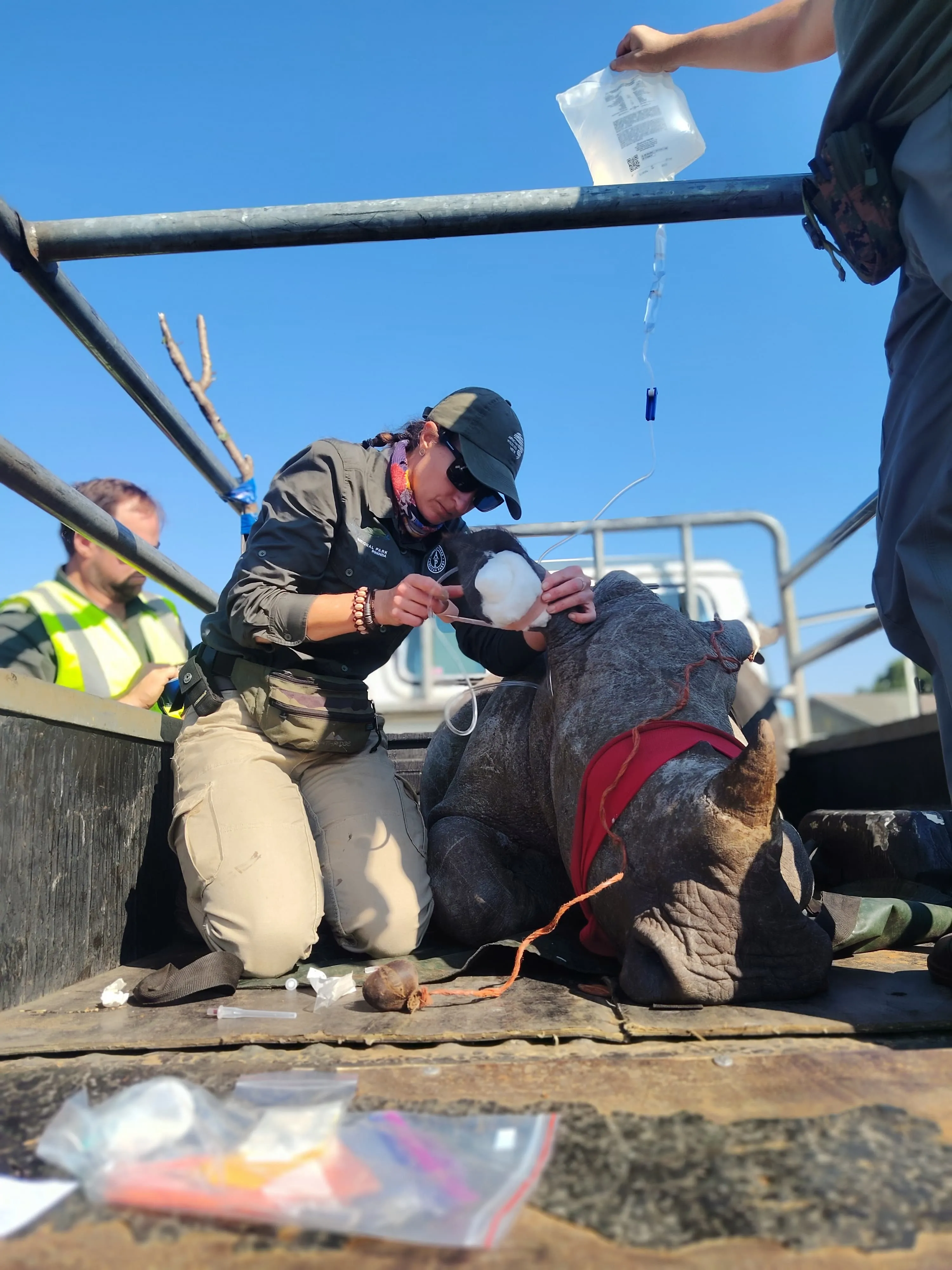
HiP has a large Wilderness area and therefore is unique in that more than 55% of rhino are found in areas that are inaccessible to vehicles. Due to this, a large portion of the rhino dehorning in 2025 was done remotely by deploying dedicated teams of 5 people to effect the dehorning on an immobilized rhino. These teams comprised of a veterinarian and experienced conservation staff to attend to each rhino and were deployed by a B3 or L4 helicopter, fit for purpose. This method proved highly efficient and effective in prioritizing the welfare of each immobilized rhino in effecting the dehorning in conjunction with gathering of samples and information for research purposes.
This method of deploying dedicated teams of 5 resulted in higher cost per rhino due to the requirement of a 6 seater helicopter for team deployments, when compared to conventional dehorning where teams are deployed by vehicle. A notable fact is that since the 2024 dehorning, most of the poaching pressure has been confined to the wilderness area of HiP. The area has a high concentration of rhino without road access and is more suitable to poachers when looking at the risk/reward aspect that poaching teams are constantly up against. It is therefore imperative that future maintenance dehorning in HiP will need to effect the dehorning of rhino across the whole landscape and therefore the project will need to annually cater to dehorn around 55% of rhino in remote areas.
Images by: Ezemvelo KZN Wildlife and Wiki West


.webp)
.webp)

.webp)
.webp)