If you ask us which animal is the most exciting to encounter on safari, the answer is always the same: the African wild dog. Their communication, playfulness, and pack mentality are unlike anything else in the bush. Encountering a wild dog pack in the wild is one of those moments that stays with you long after you’ve left Africa.
Well before we became a registered NPC in South Africa and 501c3 charity in the United States, sponsoring Wild Dog collars was one of our main focusses when generating conservation funding through safaris. Recent events confirm the importance of this funding.
Only around 6,600 African wild dogs survive in the wild, spread across 39 fragmented subpopulations, all classified as endangered. Habitat loss, human persecution, disease, and snares have pushed this species to the edge. Wild dogs need enormous home ranges to survive, and as those ranges shrink, packs increasingly move through areas shared with human communities.
In that context, our partner organisation in Zimbabwe, the African Wildlife Conservation Fund, currently monitors 108 wild dogs across 10 packs in Savé Valley Conservancy alone, roughly 1.6% of the global population. Across both Savé Valley and Gonarezhou National Park, where AWCF tracks a further estimated 60 to 80 adults and yearlings across at least 8 packs, the two reserves together are home to nearly 3% of all wild dogs remaining on earth. A 2026 den census in Gonarezhou is underway, and more accurate figures will follow later this year.
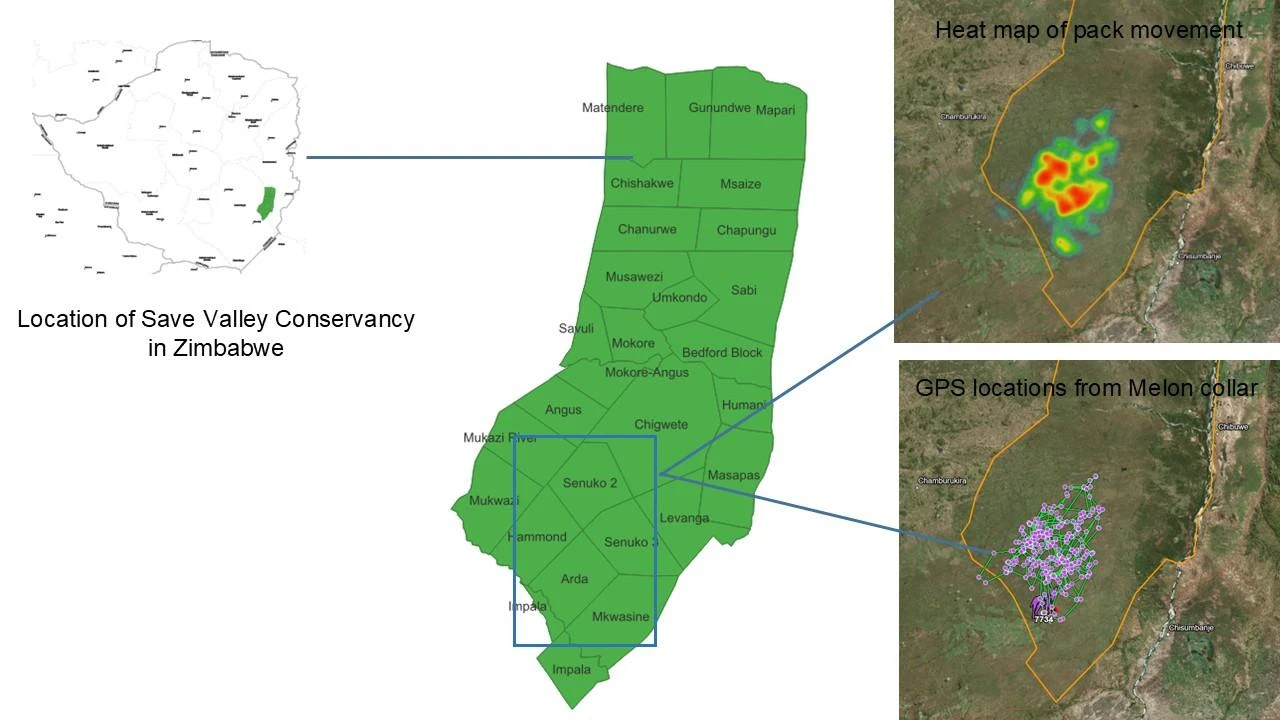
Because of their large home ranges, tracking collars are central to protecting wild dogs. In 2023, WWW Conservation funded a GPS collar for the Melon Pack, one of the 10 packs AWCF monitors in Savé Valley. The pack moves mainly in the south of the conservancy, where resettled communities raise the risk of accidental snaring, disturbance, and disease. Knowing exactly where the pack is, is essential to keeping them safe.
The AWCF field team recently shared the following:
“GPS locations from the Melon collar have allowed us to build a picture of the pack’s movements and core range. This information becomes particularly valuable during denning season when the pack requires greater protection with their small pups.”
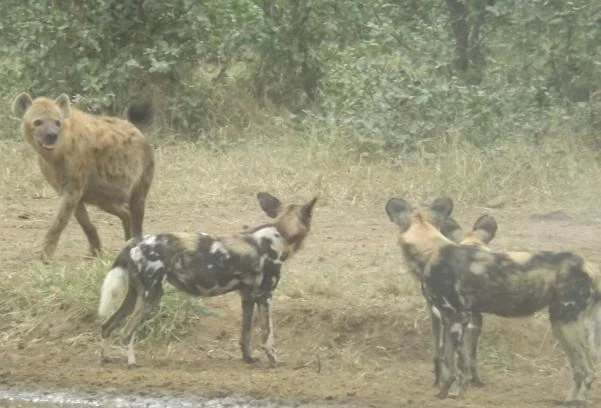
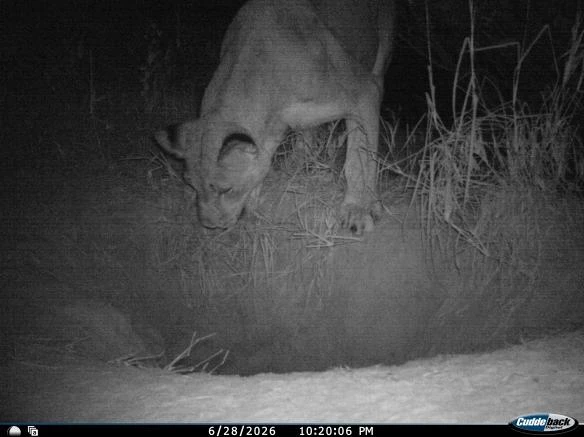
The results speak for themselves. Led by Alpha female Shadow and Alpha male Ivar, Melon Pack denned successfully in 2025, producing seven pups, four of which survived to become yearlings. In early 2026, four males from that litter dispersed to form an entirely new pack, the Mudiwa Pack. This year’s denning season then produced 10 new pups, despite sustained pressure from lions and hyenas at the den. Melon Pack now numbers 23 wild dogs, despite pressure from hyena and lion.
In September 2026, with the help of a donation from a family who traveled with us on safari, we sponsored another collar for a pack in the south of Savé Valley. The need to collar this pack became gruesomely clear a month later… find out more in our previous field report.
Click here to donate and help fund the next collar deployment.
To receive field updates like this directly, subscribe to our newsletter.
Written by Evelyn Poole, Conservation Fund Director
.webp)