Written by Christina van der Merwe, Strategic Partnerships Manager at Wild Wonderful World:
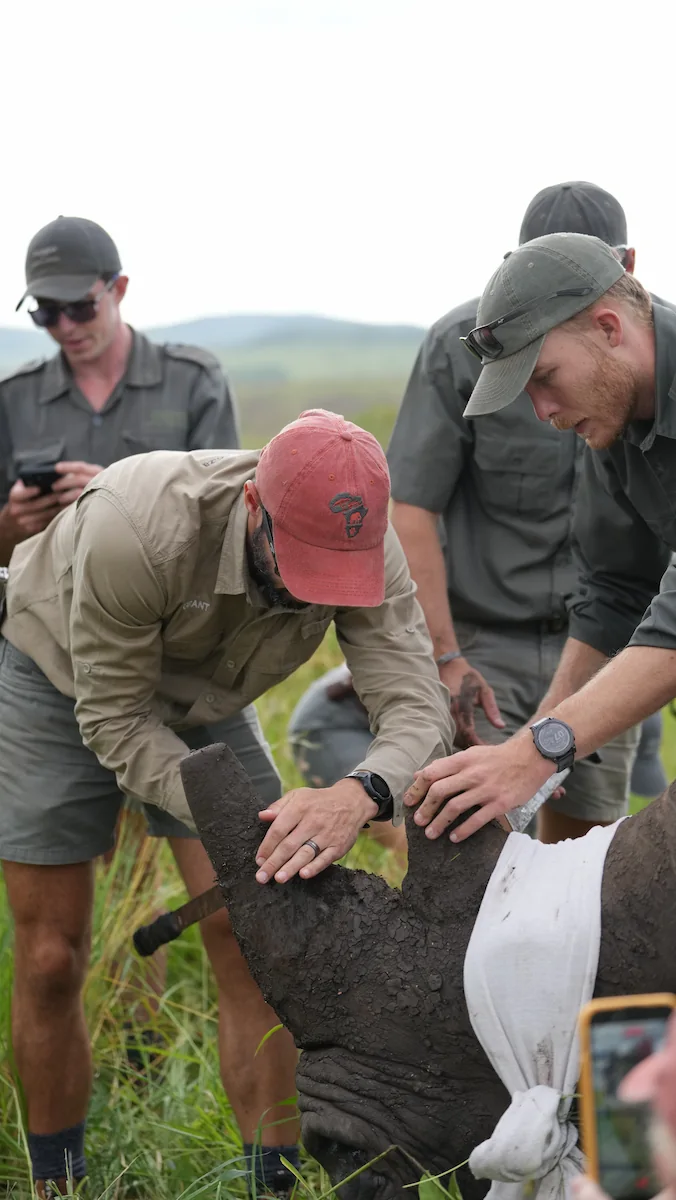
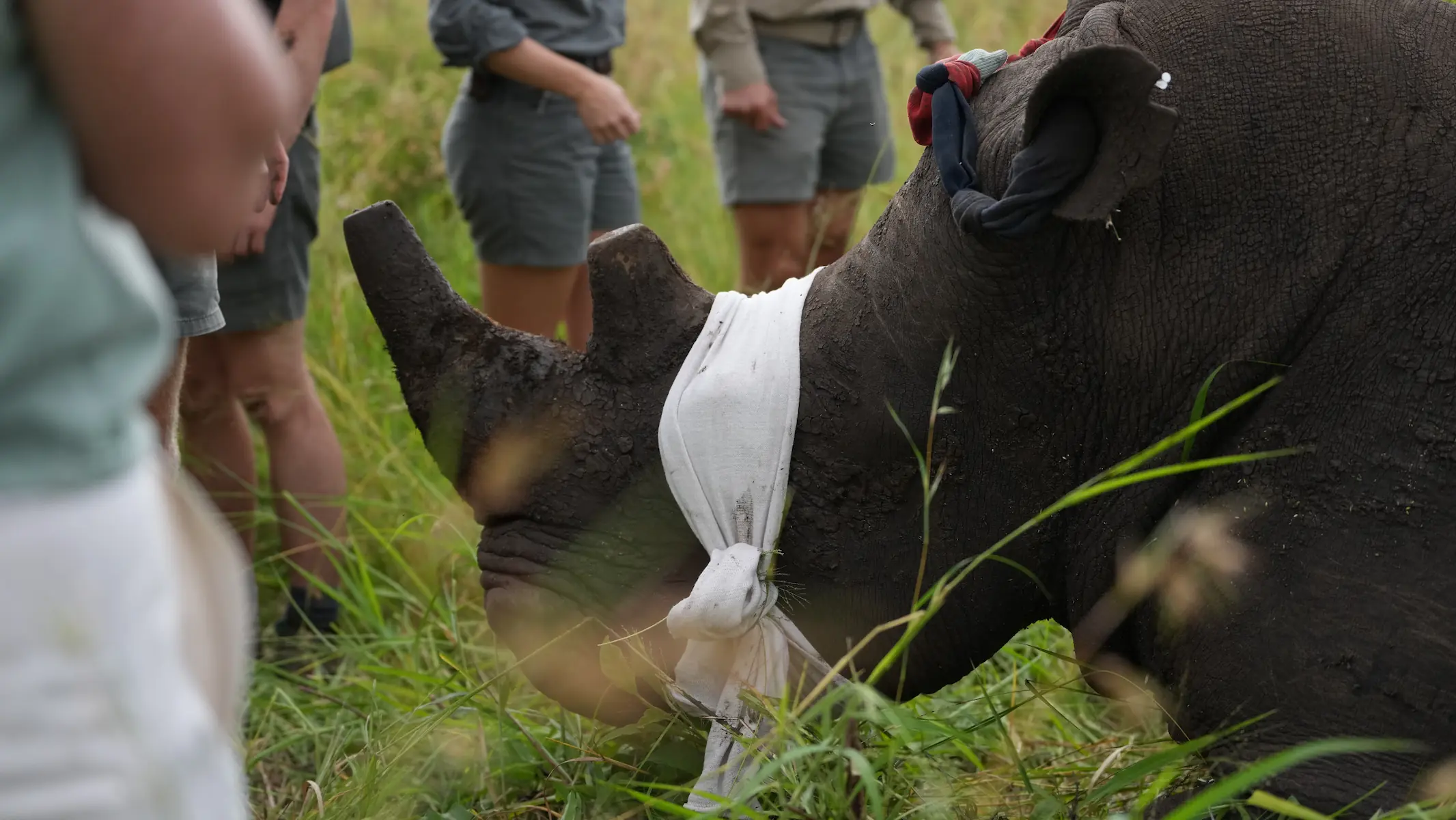
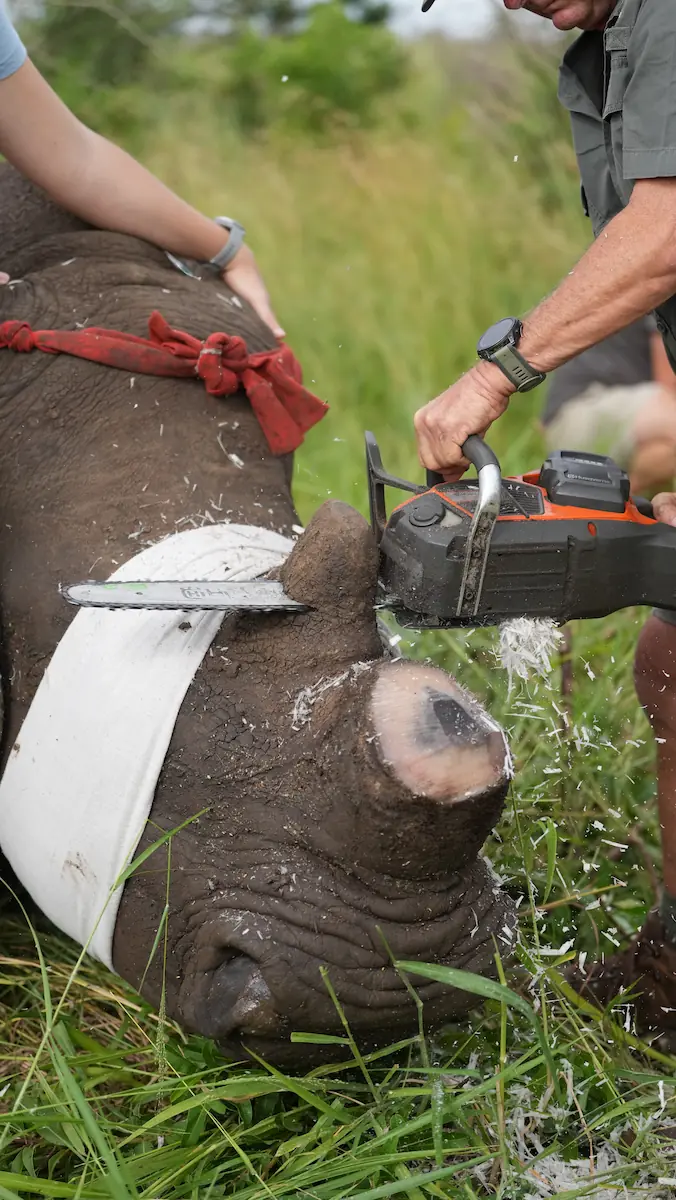
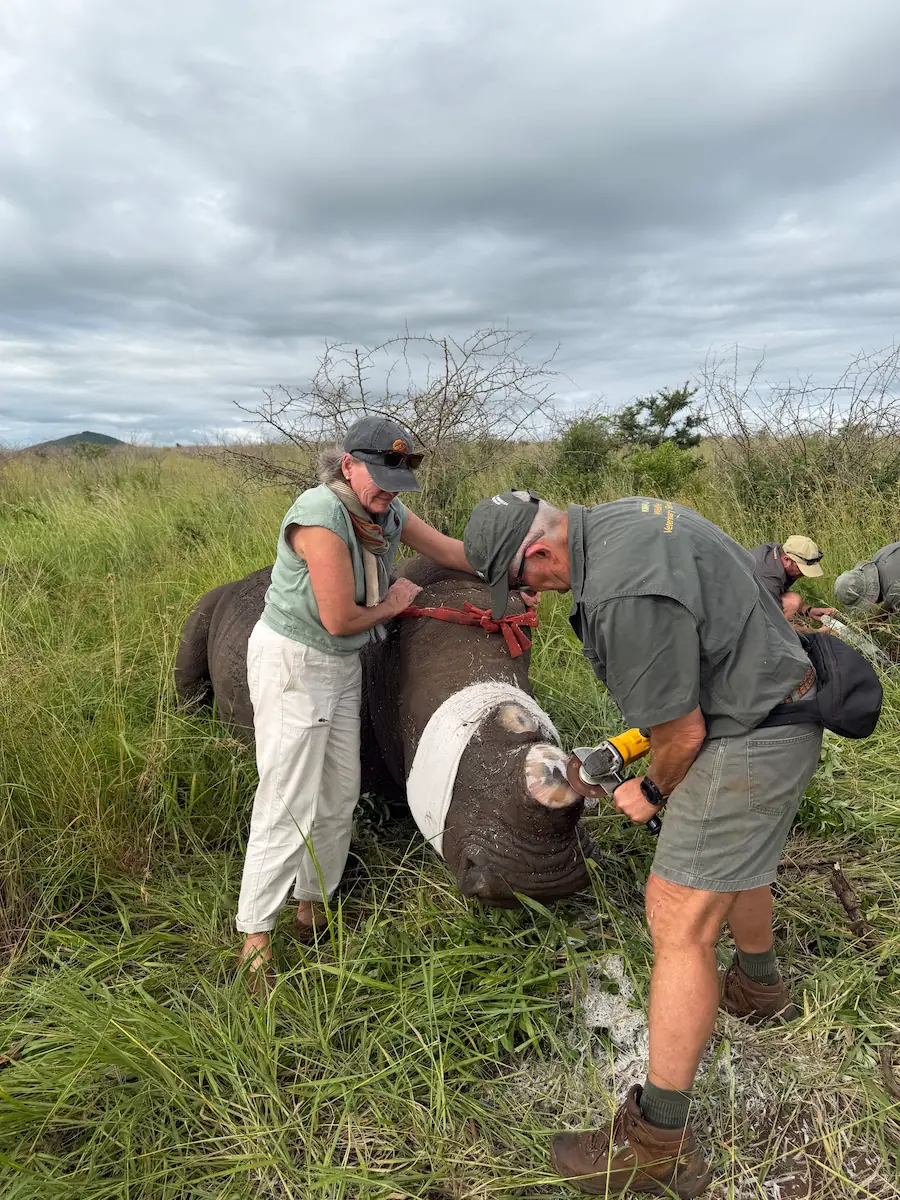
Recently, we had the opportunity to join a rhino horn trimming operation on Munywana Conservancy. It was my first time witnessing one, and I want to be honest about what that felt like, because honesty is the only thing worth offering here.
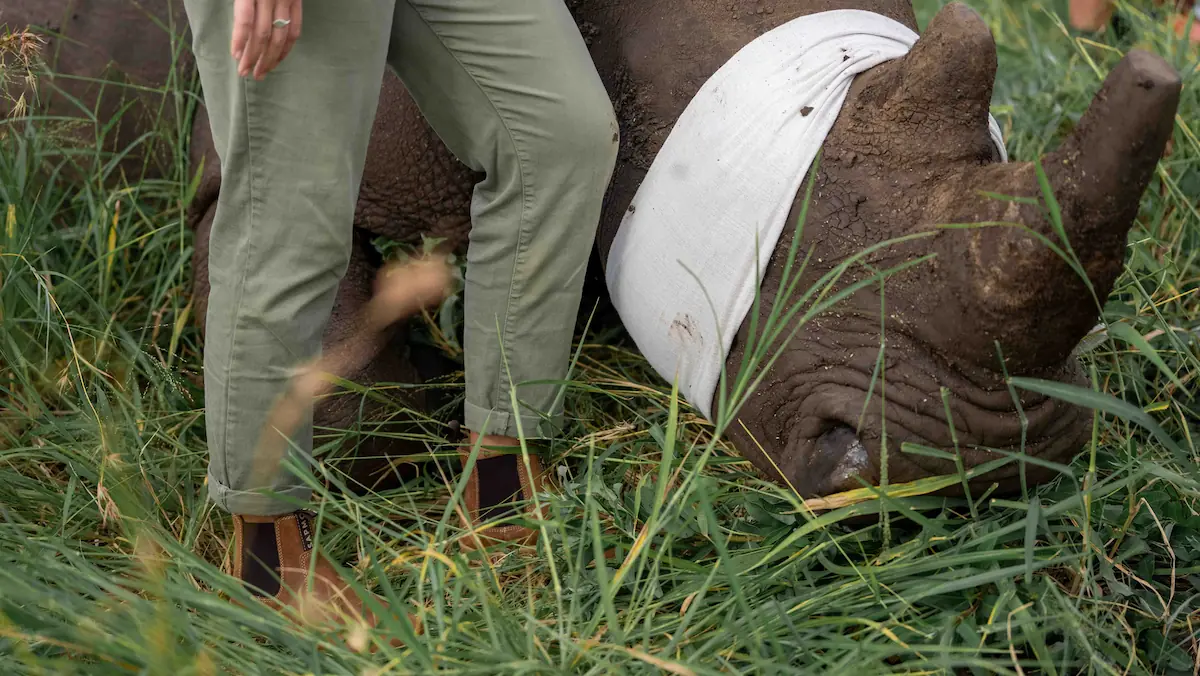
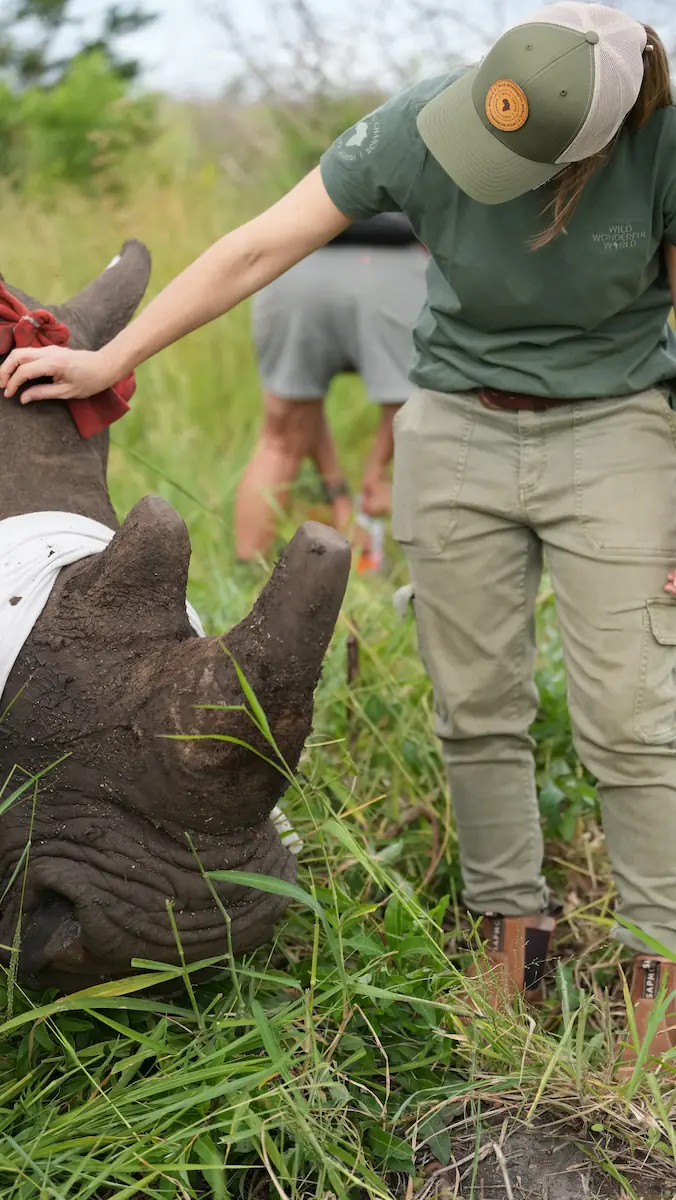
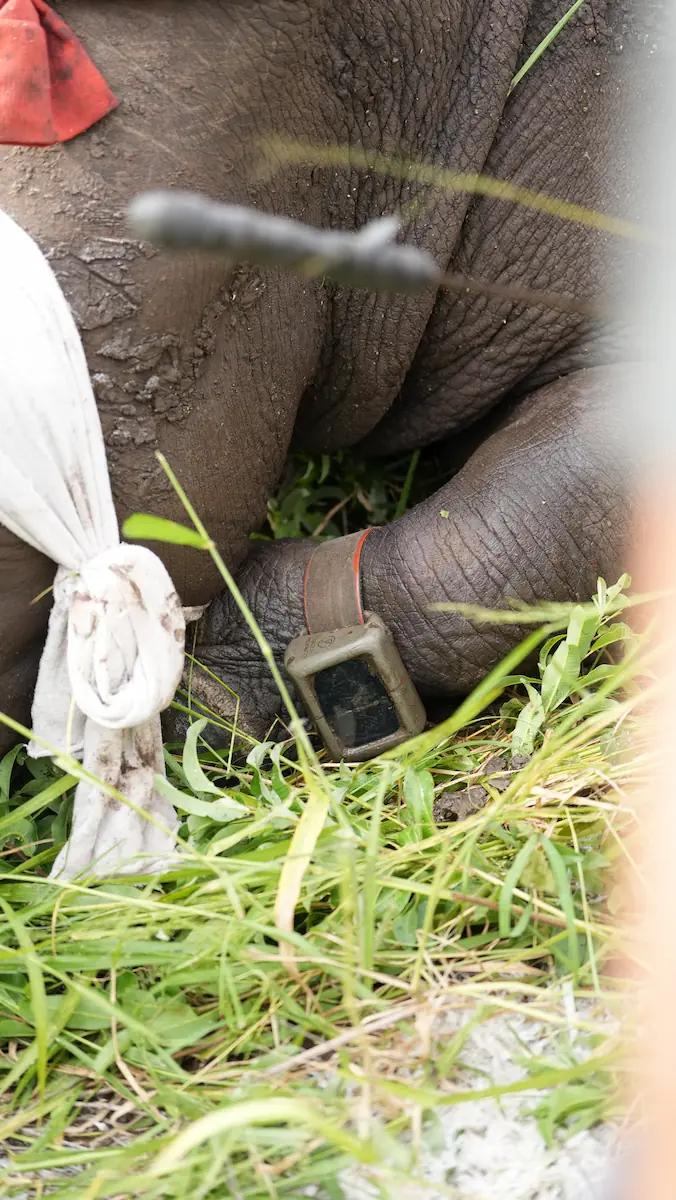
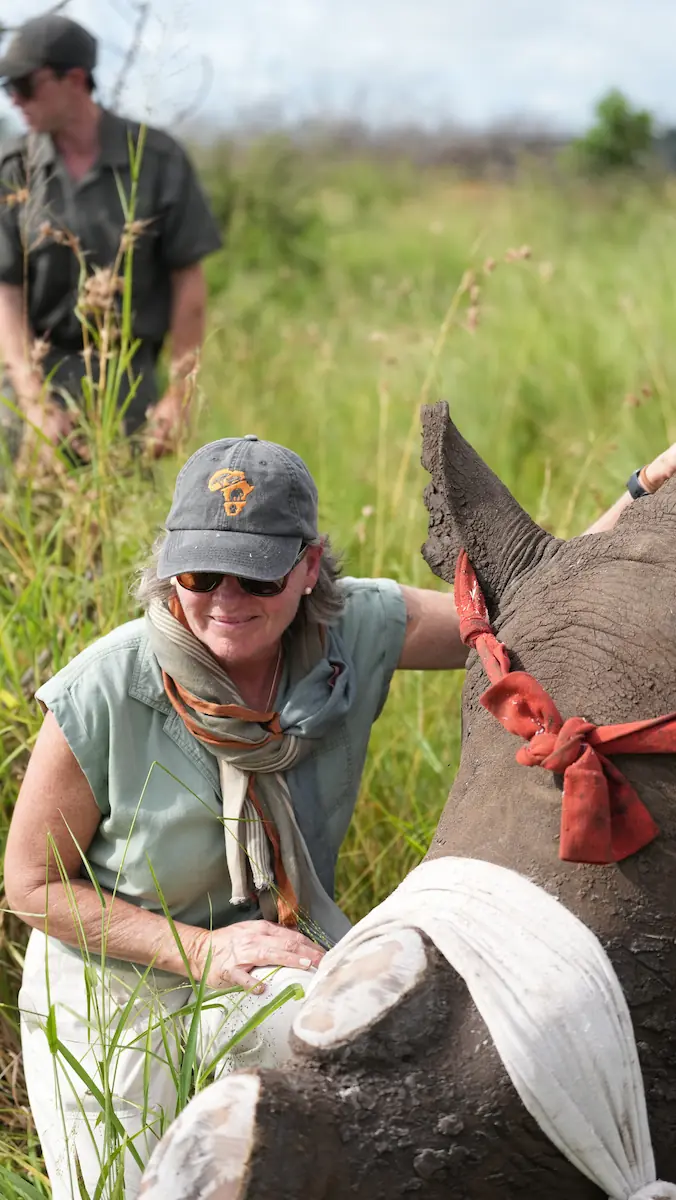
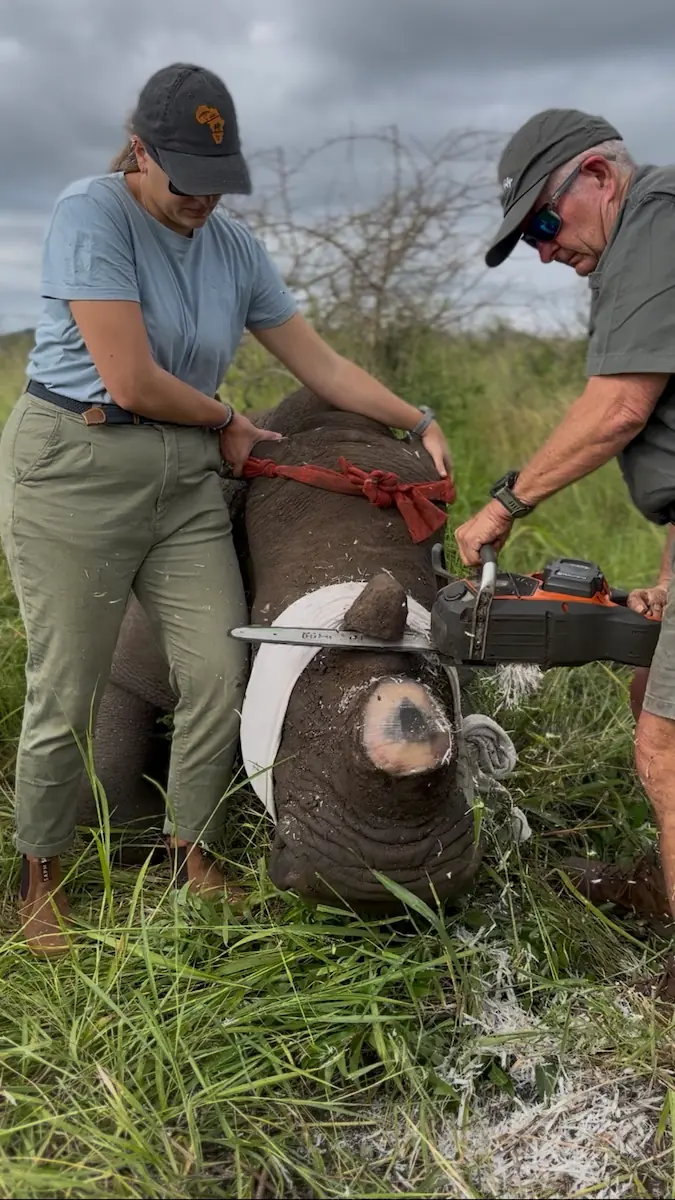
We located a female white rhino whose horn needed to be trimmed. She was darted, and while the veterinary team, led by Mike Toft, carried out their inspection, we learned she was pregnant. As a mother of two, understanding in your body what vulnerability feels like in that state, I did not hold it together particularly well.
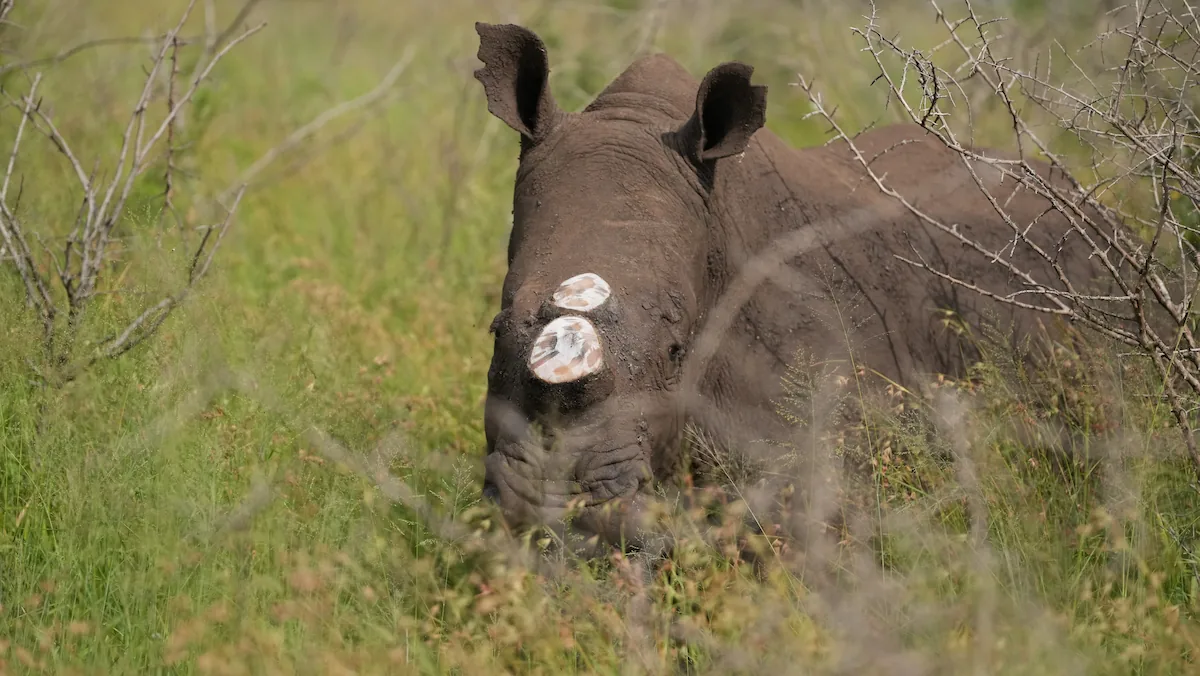
Mike brought me back to the reality of it. If we had not found her now, if her horn had not been trimmed, she would have faced a significantly greater threat. When she eventually gave birth, the team would not be able to touch her for another year. A longer horn would have put both her and the calf at serious risk. That is the arithmetic of it. Cold and clarifying.
I will be honest about where I stand. I have complicated feelings about horn trimming. Not about the conservationists and the teams making these decisions. They are making calculated, data-driven choices based on immediate risk and the best available evidence, and they are doing it with clear eyes. My difficulty is with the humans who created the conditions that make this a problem we have to solve at all. The rhino horn and fingernail conversation is a long one, and yes, most of us have heard it many times. But familiarity does not make it less true, or less urgent.
At the end of the operation, I asked Grant, co-founder of Wild Wonderful World and the helicopter pilot who had made the whole thing possible, whether he still feels it. Whether, after everything he has seen, it has simply become a job. He told me that of course he still feels it. He just learned to separate the feeling from the function when he is in the field, because the work requires that of him.
That answer has stayed with me. We are perhaps all a little numbed by now. The images, the statistics, the campaigns. But numbness is not the same as helplessness. And choosing not to engage, in a world where all of this information is available to anyone with a phone and a spare five minutes, is exactly that. A choice.
You do not have to be alongside a darted pregnant rhino to participate in her protection. Choosing a conservation-led safari, understanding where your money goes and who it funds, is its own form of showing up. The wilderness does not need your guilt. It needs your attention, and your wallet pointed in the right direction.
If you feel called to support operations like these, join us on safari or make a direct donation to our Conservation Fund. 100% of your donation goes to conservation operations with real impact, like this one.
.webp)