

Alphonse Island, Seychelles: an honest review of one of the best sustainable luxury resorts in the Indian Ocean
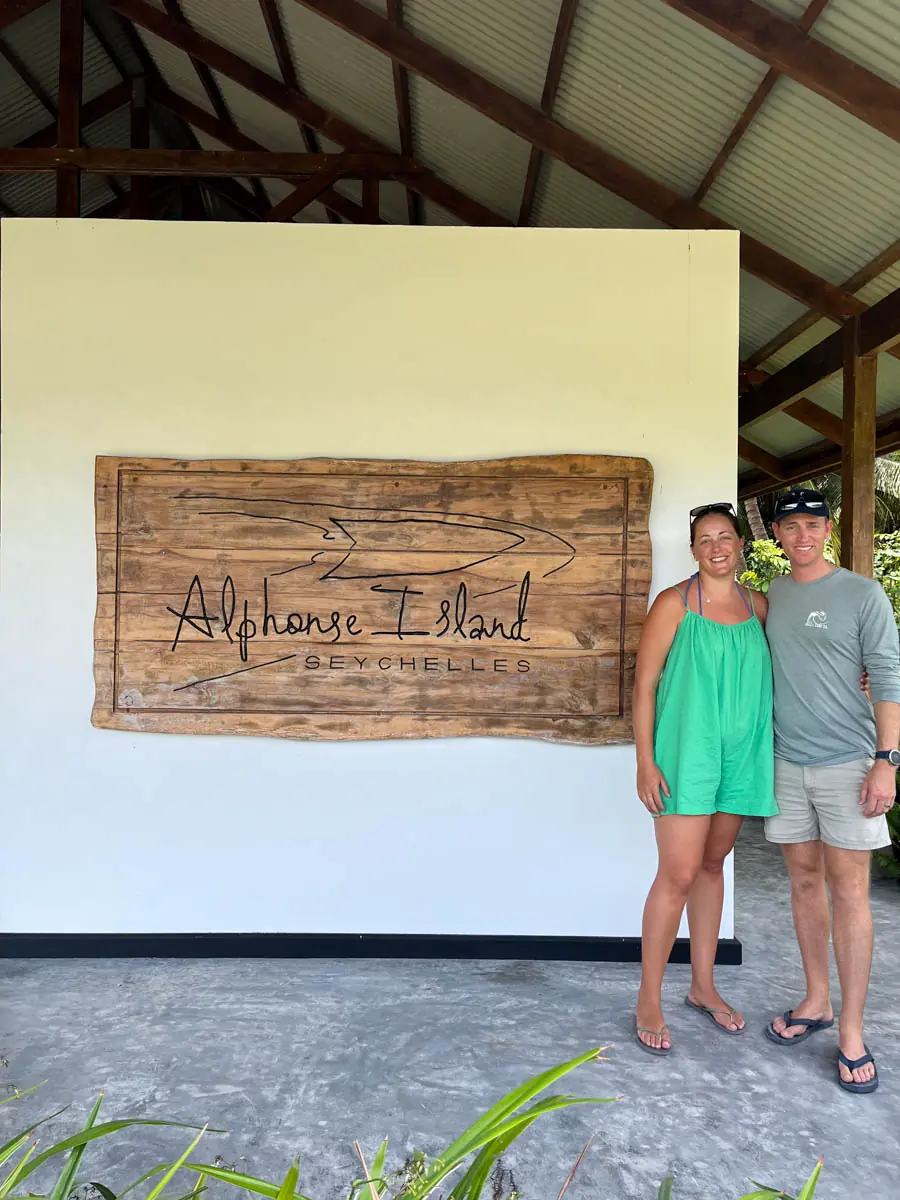
Alphonse Island is one of the finest remote luxury destinations in the Indian Ocean, combining world-class fly fishing, pristine marine wilderness, and a genuine conservation operation. Here is a first-hand account from our Wild Wonderful World travel specialist, Amandine Walker.
Alphonse Island is a privately accessed, conservation-led luxury resort in the outer Seychelles, approximately 400km southwest of Mahé. It is best known for world-class saltwater fly fishing on St François Atoll, exceptional snorkelling and diving, and an unusually serious commitment to marine conservation. Access is by charter flight only, and peak season runs October to April. As a conservation company, Wild Wonderful World evaluates every property we recommend on the seriousness of its environmental practices. Alphonse passed that assessment easily.
I'll be honest with you. I arrived at Alphonse Island wearing two hats: one as a Wild Wonderful World travel specialist, prospecting for our guests, and one as a freshly minted bride, celebrating our honeymoon. I fully intended to keep those two hats neatly separated: professional observer by day, starry-eyed newlywed by sunset. Alphonse, as it turned out, had other ideas. By day two, the island had dissolved both versions of me entirely, leaving behind something simpler and infinitely more content: a person completely, unequivocally present.
That, I think, is the highest compliment you can pay a destination.
Access our full destination overview here.
How do you get to Alphonse Island, and how remote is it?
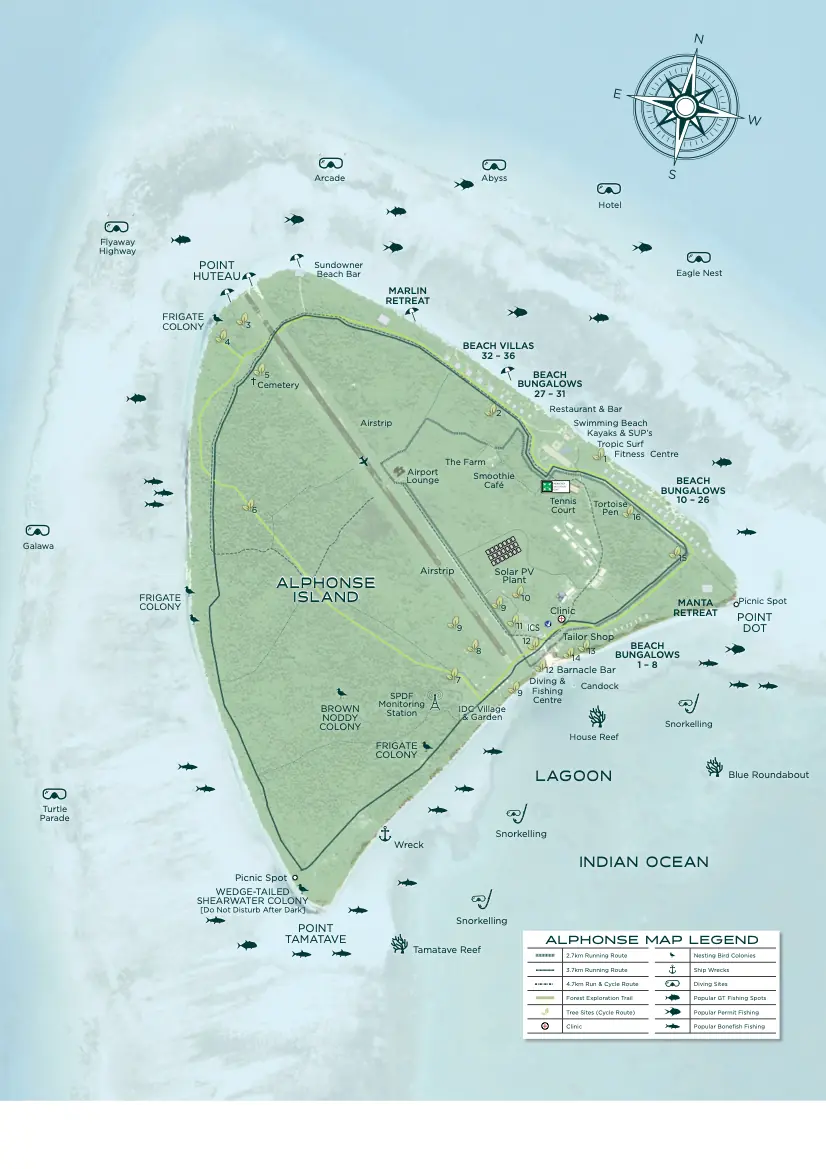
Alphonse Island sits some 400km southwest of Mahé, in the outer reaches of the Seychelles archipelago, within the Alphonse Group of islands. This is not a destination you stumble upon. We chose it deliberately and that intentionality is part of what makes it so special. A short charter flight from Mahé delivers you onto a postage-stamp airstrip, and within minutes of landing the outside world simply ceases to exist. No traffic. No crowds. Just 1.8km of pure, pristine island, ringed by some of the most extraordinary marine wilderness on the planet.
The Alphonse Group spans over 13,800 acres of protected ocean, and its remote location means the surrounding reefs, flats and lagoons have been spared the pressures that plague so many of the world's more accessible tropical destinations. The coral is alive and the fish are abundant in the turquoise waters.
What is Alphonse Island Lodge like as a sustainable luxury resort in the Indian Ocean?
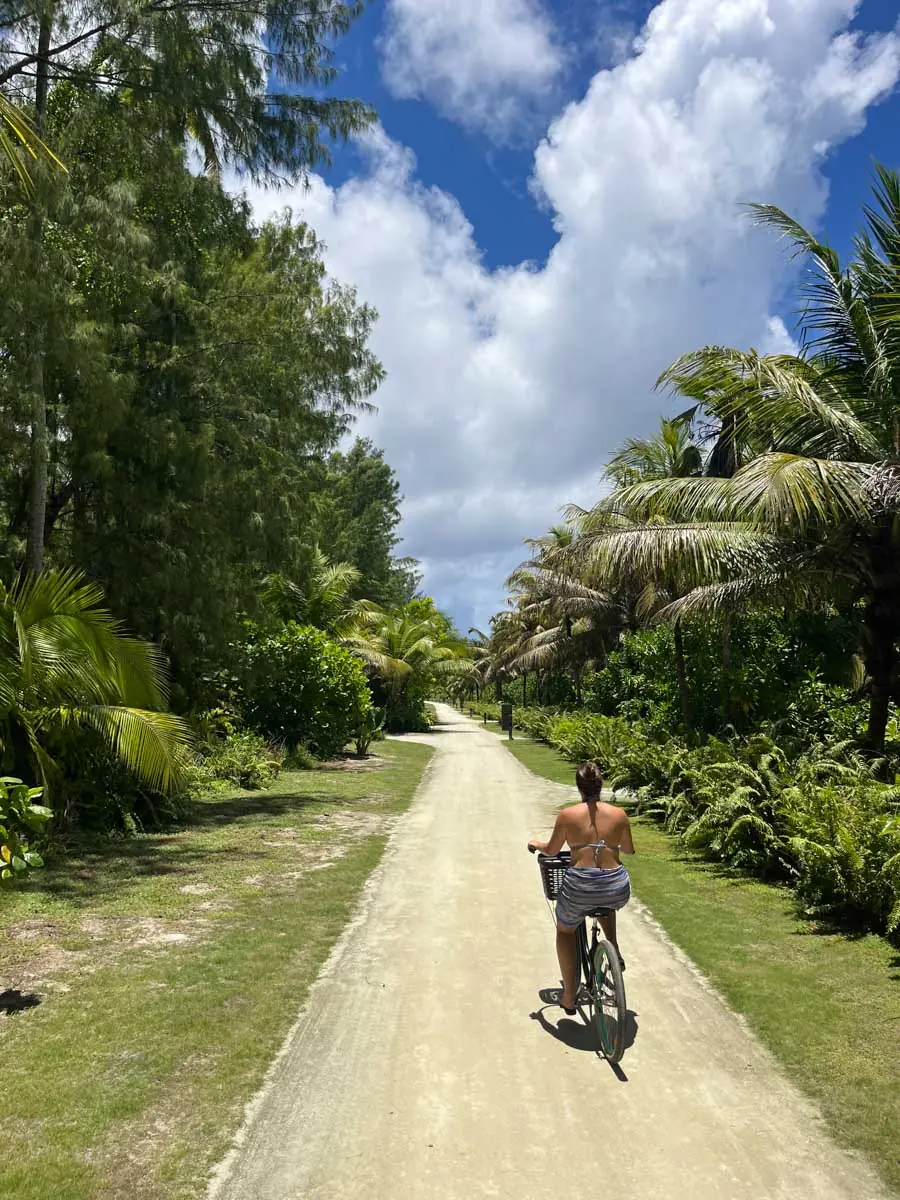
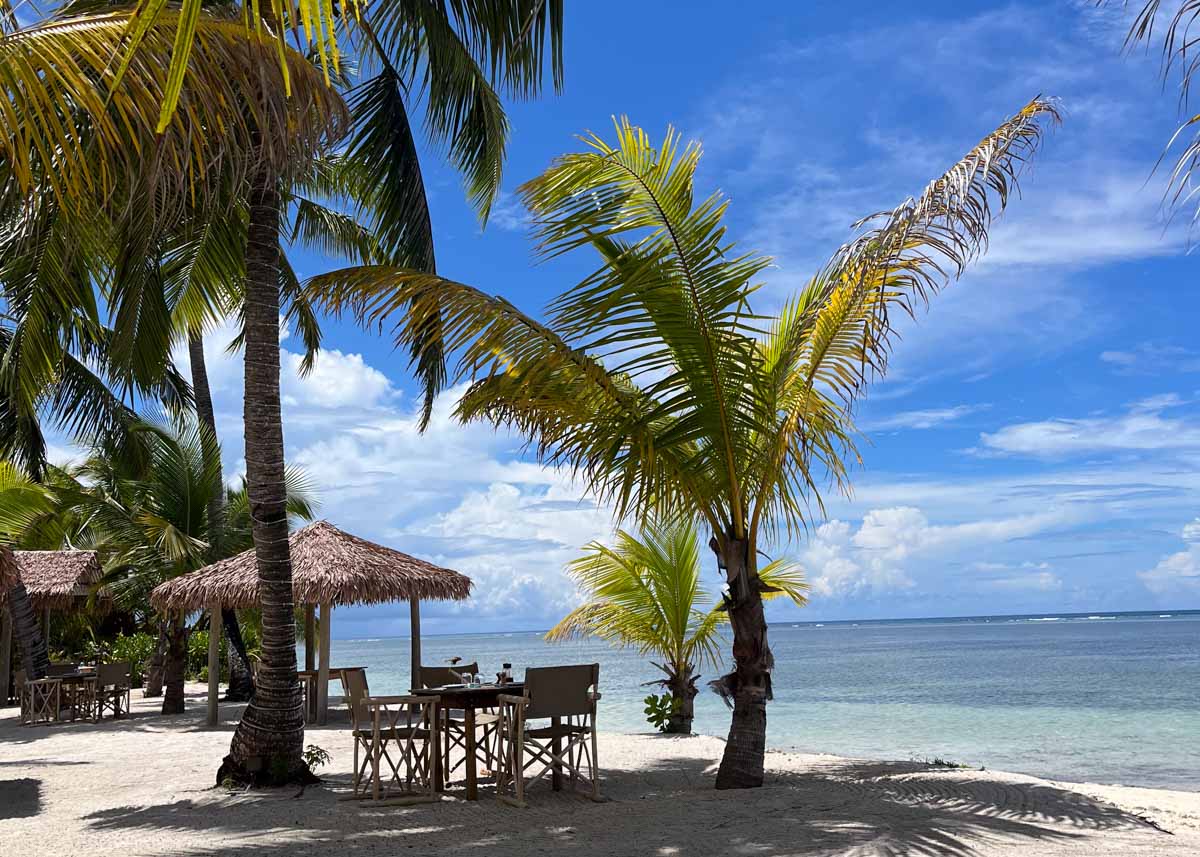
Alphonse Island Lodge, run by Blue Safari Marine Collection, is the kind of place that gets luxury exactly right: it is warm, refined and completely unpretentious. Our Beach Bungalow was stylish and comfortable. Natural textures, ocean breezes through open louvres and the luxury of waking to the sound of the ocean just footsteps from your door. A quick bicycle ride (your means of transportation for the week, which quickly became our favourite thing) takes you to the main area of the lodge. Here, bright, airy spaces surround the pool and open up to a careful balance of pristine beach, curated gardens and palm trees.
But what truly elevates the Alphonse experience is the people. The team is warm and knowledgeable in equal measure, and their pride in the island is palpable. Service here is not performative. It is attentive without being intrusive, personal without being presumptuous. Staff remembered the small things: a preference, a name, a quiet moment to step in with exactly the right thing at exactly the right time, like a fresh coconut to sip on after hours in the sun. In a world where five-star hospitality is often delivered by a script, Alphonse delivers it by heart. Especially for a beach resort, this was such a welcome relief.
What is there to do at Alphonse Island?
One of the great joys of Alphonse is that it caters effortlessly to every kind of traveller. Whether you are a thrill-seeking adventurer, nature lover, or just wanting to lounge and relax. We did a little of everything and somehow it all felt like exactly the right pace.
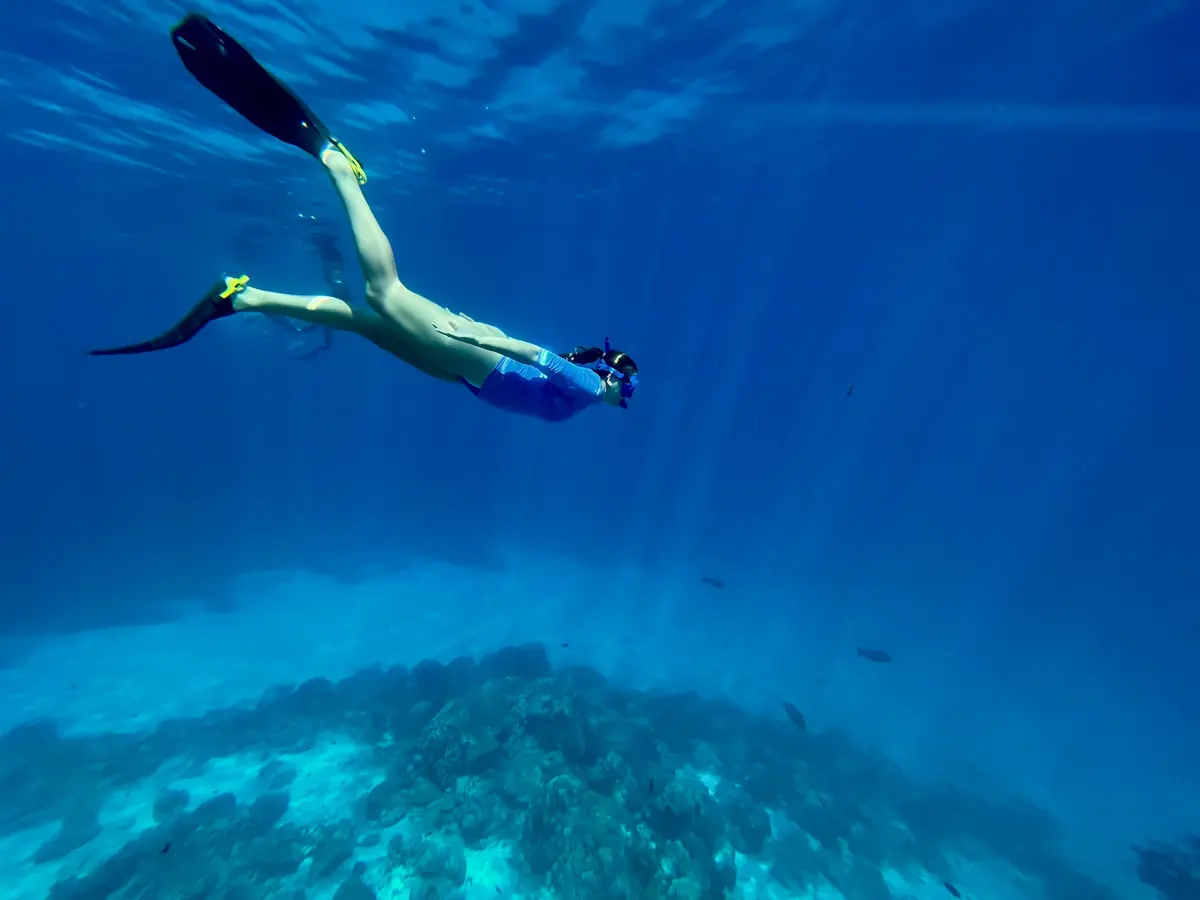
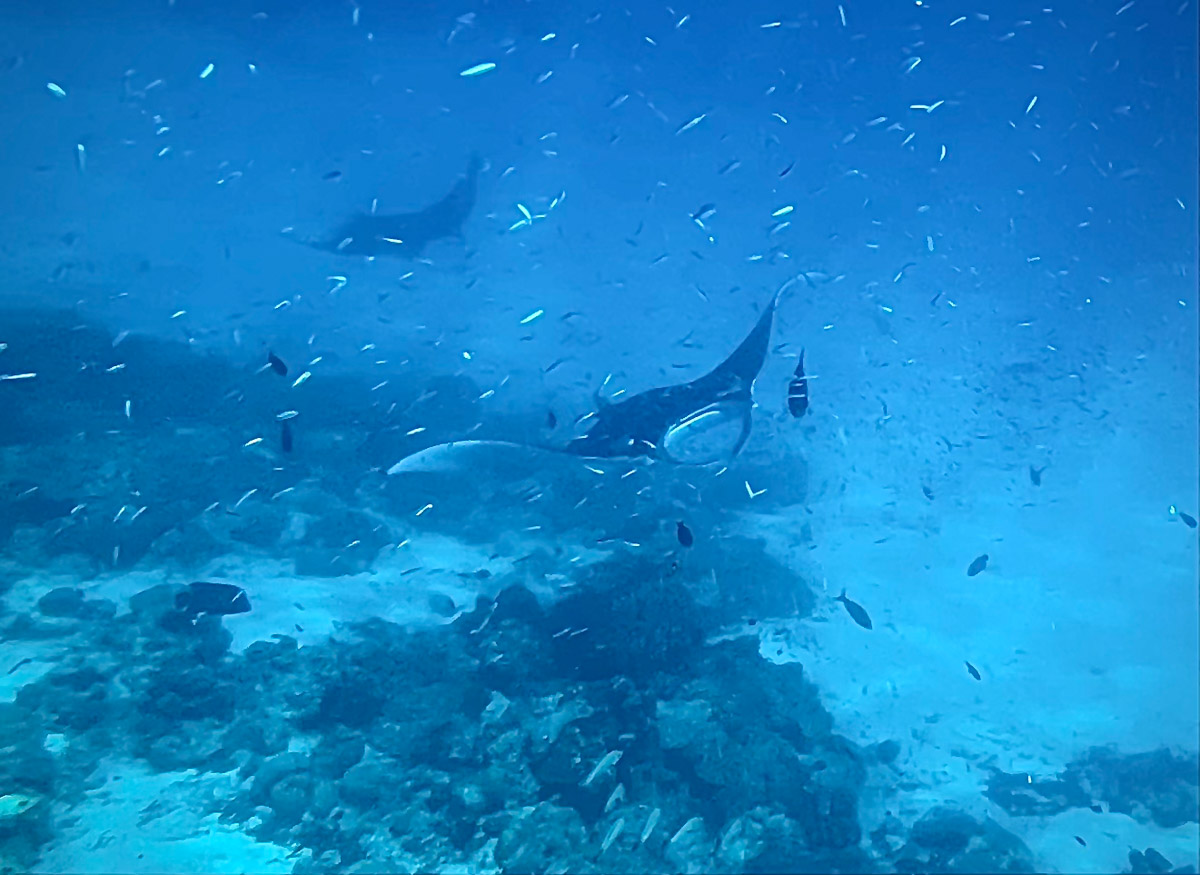
Scuba diving on Alphonse's outer reef was extraordinary. Pristine walls of coral, abundant marine life, and the thrill of diving in water so clear it almost doesn't seem real. Our dive instructor Jarryd found a young and very curious grey reef shark, which rewarded us with multiple circles before being on its way. We also explored the Alphonse lagoon and surrounding reefs in a living, breathing world of colour and movement. A highlight, both for its magic and for an enlightening moment with conservation officer Chelsea, was snorkelling with manta rays and swimming alongside these impossibly graceful creatures in the open ocean. We also attempted snorkelling with sailfish, one of Alphonse's truly bucket-list signature experiences. However, on our particular day, the sailfish politely declined to participate. A reminder that nature keeps its own calendar. We had no regrets, the attempt alone was amazing.
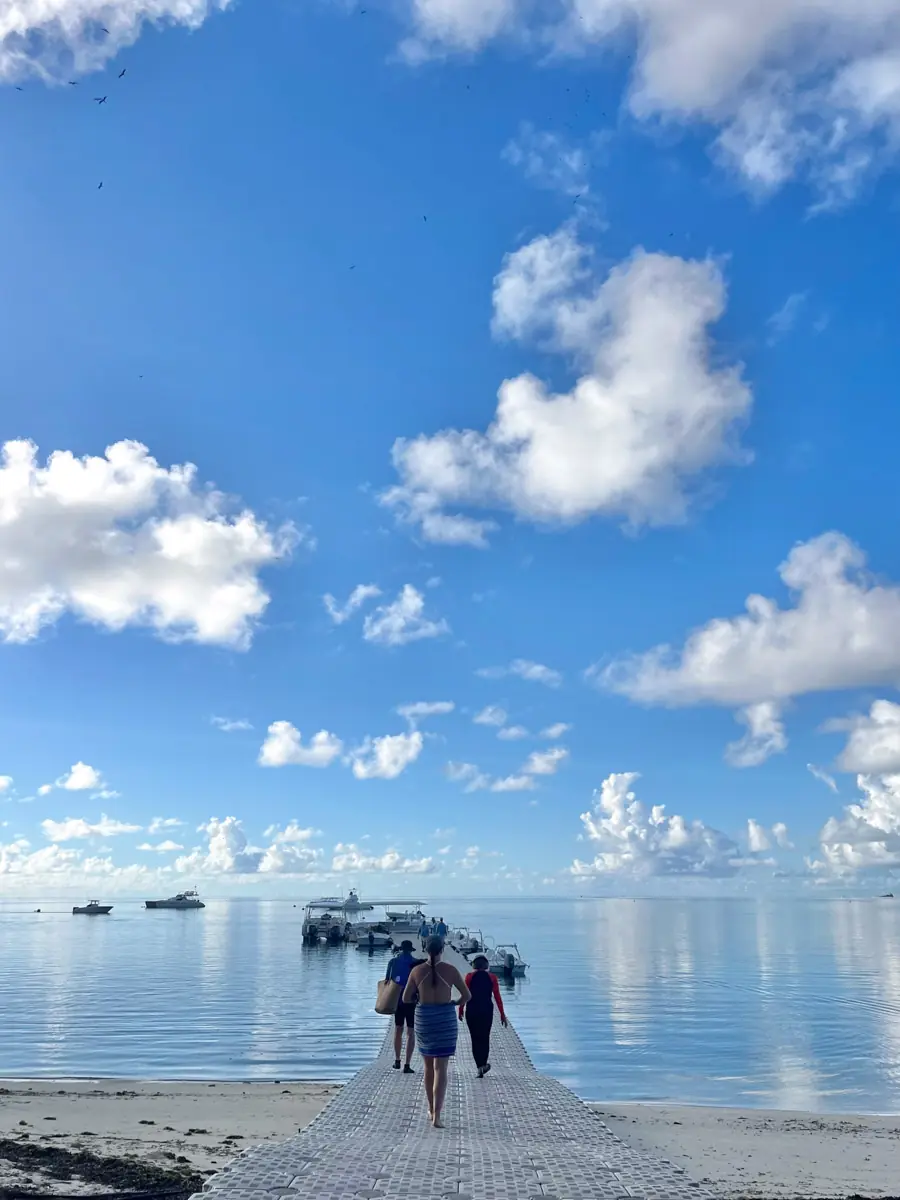
We explored St François Island on a guided nature walk, discovering the extraordinary ecosystem of the atoll's uninhabited neighbour. We didn't know where to look, from the fairy terns, frigatebirds and red-footed boobies nesting in the Casuarina trees in hundreds, to the mangrove crabs crawling across the sand, and the sicklefin lemon shark and stingray nursery benefiting from the warm, shallow water. We also visited its little sister Bijoutier Island, a sliver of sand and birdsong that feels like the end of the earth in the very best way. Back on Alphonse, a garden tour of The Farm, the island's impressive on-site produce garden, gave us a deeper appreciation for the thought and care that goes into every meal served at the lodge.
Between adventures, we cycled leisurely around the island, watched the giant tortoises wandering in the forest, and spent more than a few golden hours simply lounging on the beach, reading, talking, and doing absolutely nothing, which, it turns out, is an underrated skill.
Is Alphonse Island the best fly fishing destination in the Indian Ocean?
For serious anglers, Alphonse Island is not just a destination, it is an absolute must. The flats of St François Atoll are widely regarded as among the finest saltwater fly-fishing waters in the world, offering the coveted Indian Ocean Slam and the chance to cast for Giant Trevally, Bonefish, Indo-Pacific Permit, Milkfish, Triggerfish, Batfish and more, in crystal-clear, waist-deep water teeming with life.
James spent a half day out on the flats with one of Alphonse Fishing Company's expert guides, and I'll let him tell you about that in his own words:
"Growing up on a trout farm in Dullstroom, I always thought freshwater fly-fishing was the height of the sport. I had no idea that saltwater fly-fishing is where the real business is. Stepping onto the flats of St François Atoll felt like finally being called up to the big leagues.
To get there, we shot out just after sunrise. I had the luxury of a spacious skiff to myself, rigged with top-tier Thomas & Thomas rods and smooth-as-silk Shilton reels. The kind of gear that makes you feel like a pro before you've even made your first cast. My guide for the morning was Reece, one of Blue Safari's younger experts whose eyes are so finely tuned to the water he can spot a bonefish with ease, giving you those vital extra seconds to get your fly in the right spot.
This isn't passive fishing. It is an active pursuit. You're out of the skiff, knee-deep in water so clear it's like walking through air. The game here is sight-fishing: spotting your target, anticipating the fish's path and casting with surgical precision. Even with my background, I was caught off guard by the sheer power of a bonefish. It hits with the familiar tug of a freshwater yellowfish, but then it runs, and runs, and runs again. I can now see why fly fishermen travel from all over the globe for this truly exhilarating experience.
What impressed me most, however, wasn't just the fight. It was the stewardship. Reece and the team undergo six months of training, a third of which is dedicated solely to sensitive fish handling. Every fish is handled on a catch-and-release basis that ensures they return to the sea with minimal stress.
While we fished, turtles and rays drifted lazily past while lemon sharks cruised by like curious puppies, though Reece was quick to chase them off if they showed too much interest in a fish on my line. The scenery that day was almost surreal. The sky merged so seamlessly into the mirror-finish of the ocean that the horizon simply vanished, leaving us suspended in a world of blue.
Though I had a crack at some passing Giant Trevally that weren't quite interested in my fly this time, I finished my half-day with my appetite firmly whetted for a Triggerfish or GT on the next trip. Fair warning: once you hook your first bonefish out here, you'll be just as hooked as the fish."
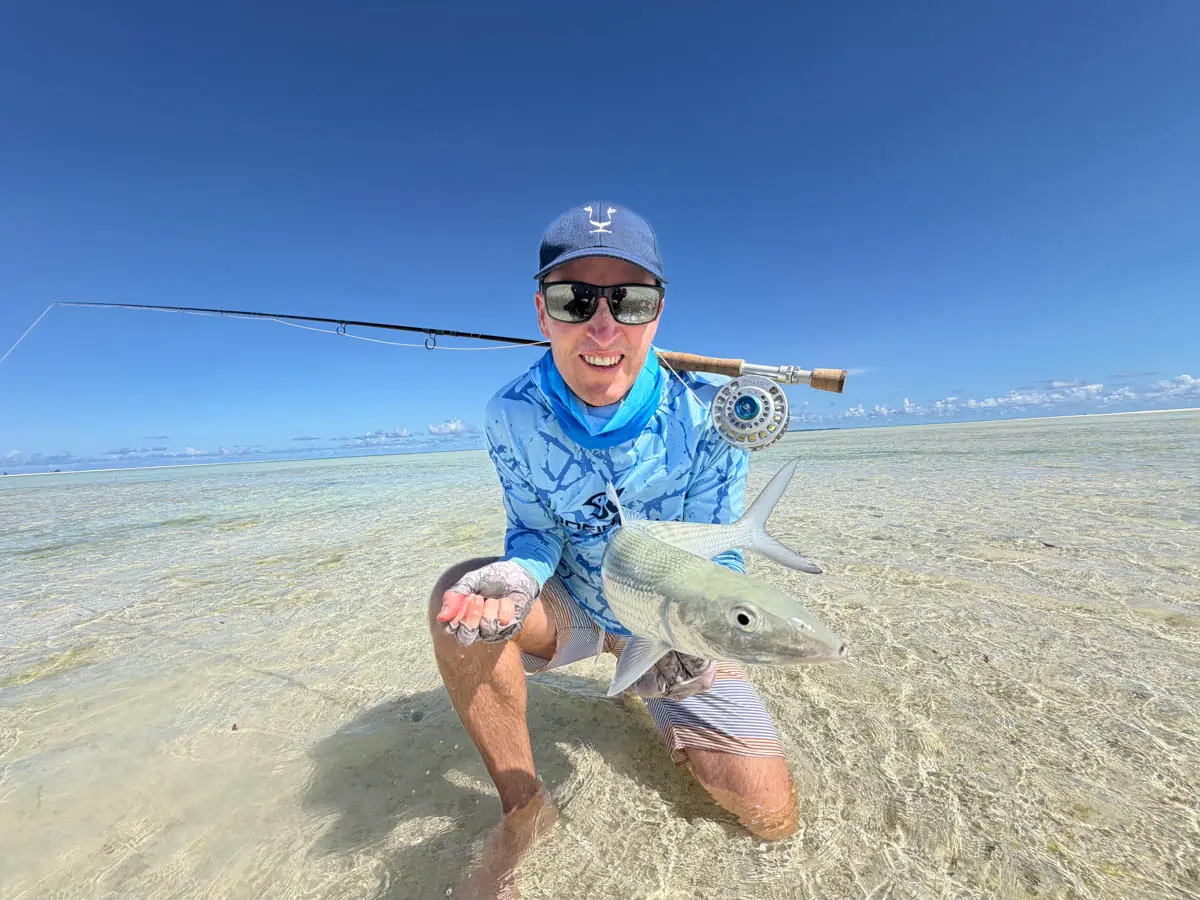
What I can say, as the person waiting back on the beach, is that he returned with the expression that only a truly great fishing experience produces: one part disbelief, two parts joy, and entirely unable to stop talking about it.
What is the food like at Alphonse Island Lodge? Farm-to-table remote resort
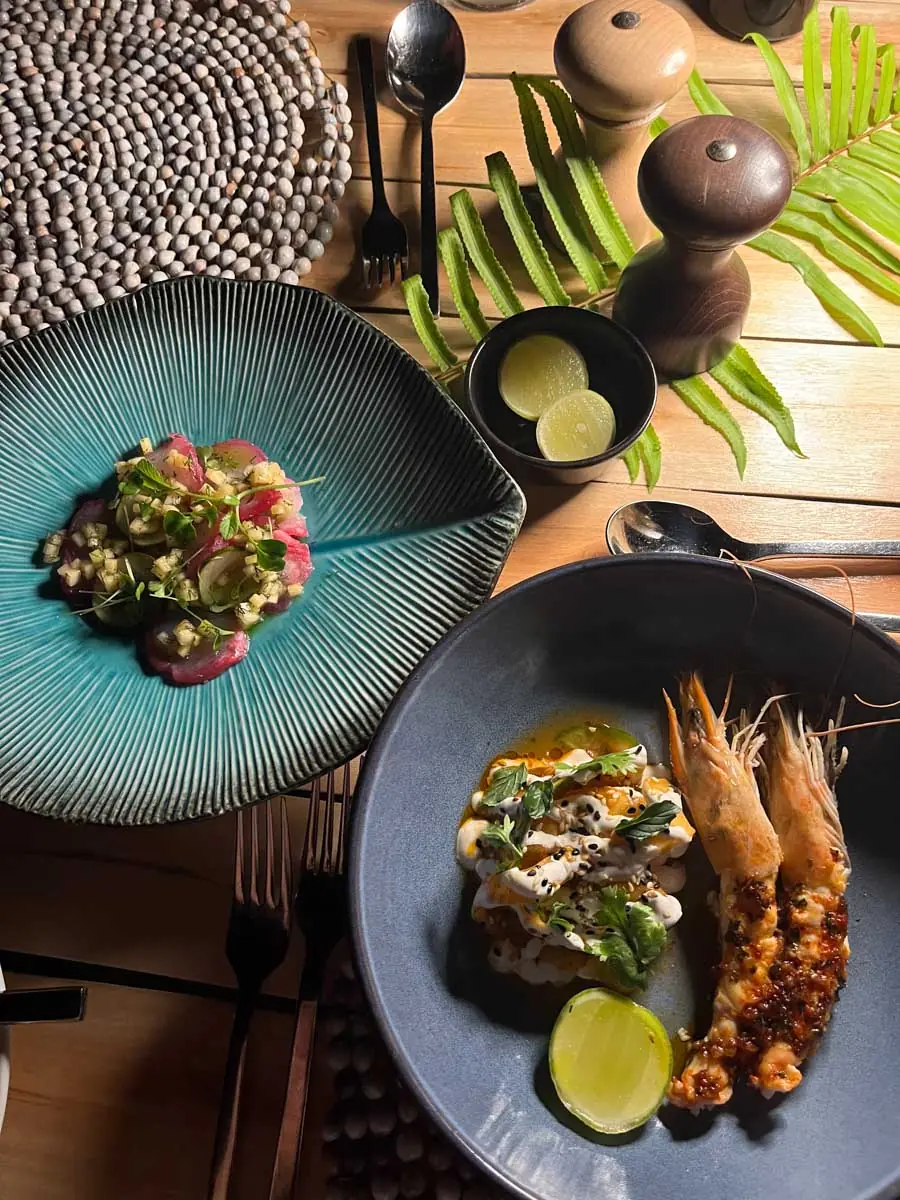
Meals at Alphonse are a genuine highlight, not just good for a remote island, but truly excellent by any standard. The culinary team draws on produce grown right on the island in The Farm, supplemented by sustainably sourced, line-caught fish from the surrounding waters. Which, by the way, has ruined any other fish we have ever eaten and turned us into Alphonse-only fish snobs. It is so fresh it melts in your mouth.
The result is food that feels alive: vibrant salads, fresh Creole-influenced dishes, beautifully prepared fish and flavours that taste exactly like where you are.
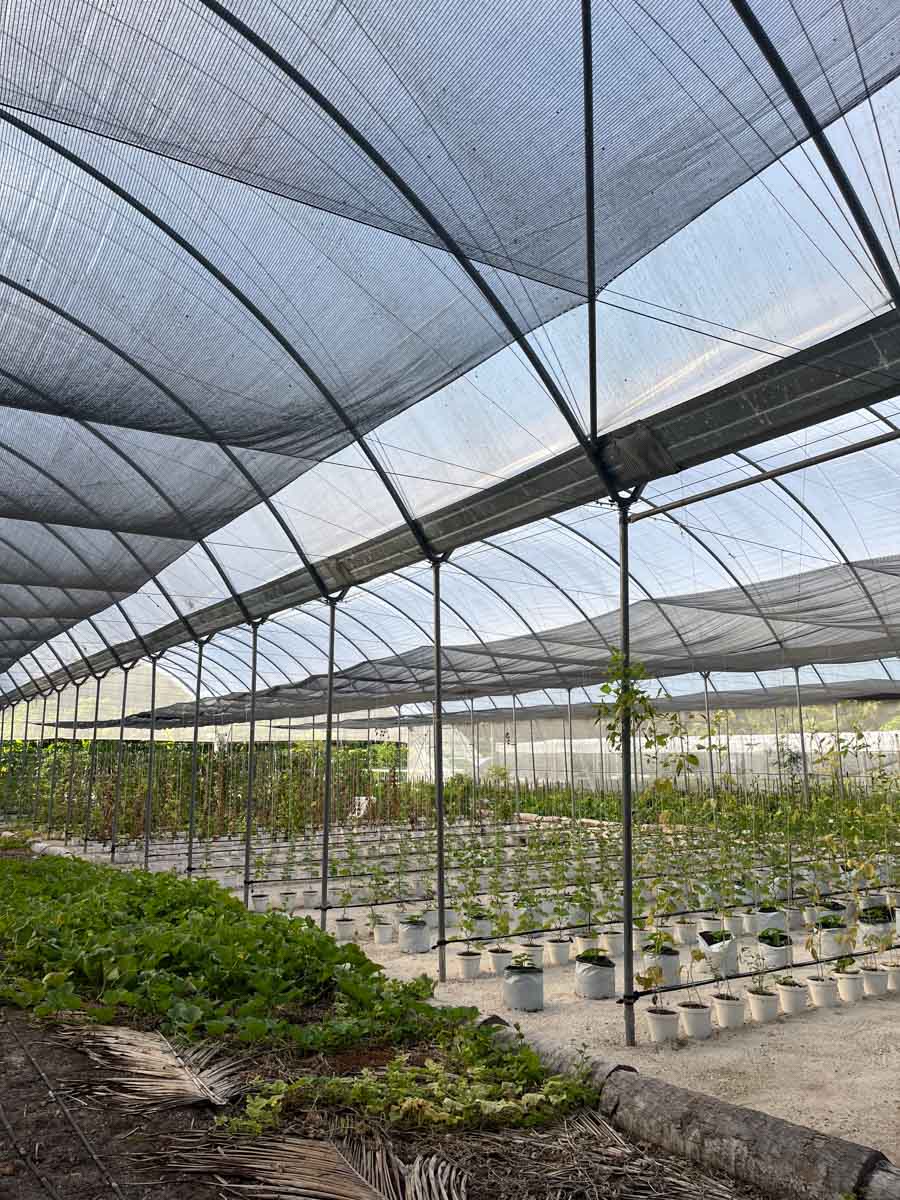
The Farm is something truly special, and the guided tour we did gave us a behind-the-scenes appreciation we hadn't anticipated. Tucked within the island's lush interior, it is a thriving, working garden producing up to 4.5 tonnes of vegetables each month during peak season. This harvest supplies nearly all meals for staff and 80 to 90% of what appears on guests' plates, with surplus produce flown out weekly to four neighbouring islands. An extraordinary achievement for an island this remote. 56 varieties of edible plants, from papaya, bananas, aubergines and chillies to leafy greens and fragrant herbs, are grown using regenerative farming methods that nourish rather than deplete the island's delicate soil. Seeing the garden in the morning and then recognising its produce on your plate at lunch is one of those quietly satisfying connections that sustainable travel, at its best, makes possible.
No commercial seafood is served. No single-use plastics appear at the table. The commitment to sustainability runs right through to what is on your plate, which, for us as a conservation company, is exactly the kind of detail that matters.
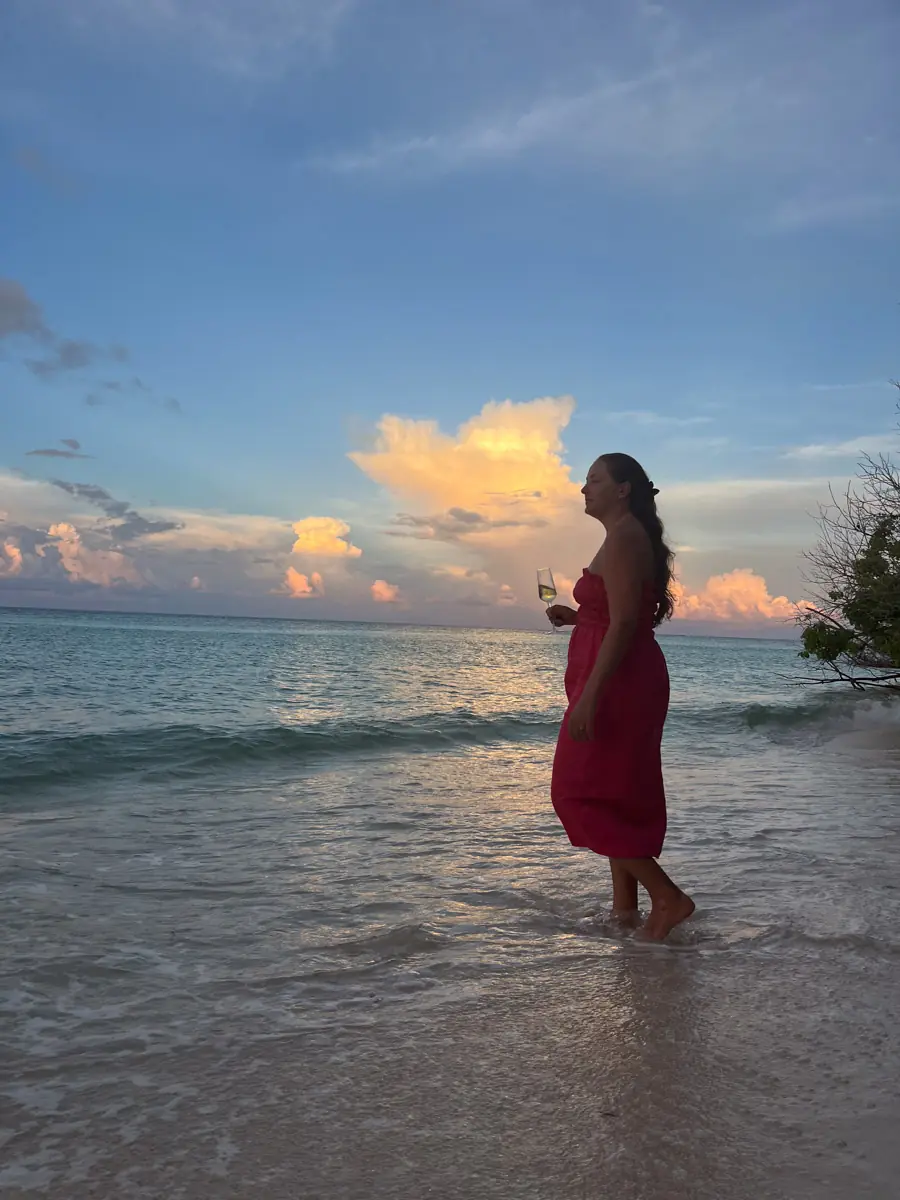
Some meals stand out beyond the restaurant itself. The flats lunch, a feast served out on the remote St François Atoll, surrounded by nothing but shallow water and sky, is one of those experiences that defies easy description. It is lunch as a love letter to a place. And the boathouse sundowners, sipping cocktails as the Indian Ocean turned amber and rose around us, the day's adventures replaying themselves in easy, happy conversation, are the kind of evening you try to bottle.
Is Alphonse Island a sustainable luxury resort?
As a conservation company, this was the part of Alphonse that moved us most deeply. Blue Safari Marine Collection is not a company that pays lip service to sustainability. It is built around it, from the ground up, in ways that are tangible and impressive.
The island runs on 2,200 solar panels that meet 81% of its energy demand. Zero single-use plastics are used across the operation. No commercial seafood is served. The Farm's production drastically reduces reliance on imported food and shrinks the ecological footprint. Rainwater is harvested and recycled. Waste management is taken seriously at every level. Seeing this in action every day truly brought home the fact that they are not mere marketing promises but a way of life on the island.
But the conservation work happening on and around Alphonse goes far deeper than solar panels and compost heaps, impressive as those are. The island sits within one of the most ecologically significant marine environments in the Western Indian Ocean, and Blue Safari Marine Collection takes that responsibility seriously across every ecosystem, above and below the waterline.
Alphonse's beaches are critical nesting grounds for both Green and Hawksbill Turtles, and turtle-friendly lighting has been installed throughout the lodge, along with vegetation screening between the rooms and the beach, to ensure that hatchlings are not disorientated by artificial light pollution at night. It may look like a small detail, but the thoughtfulness behind it is remarkable. Seabirds nesting on the Special Reserves of Bijoutier and St François are protected by guided pathways that deliberately route around sensitive nesting areas. The surrounding reefs are safeguarded by a strict snorkelling and diving Code of Conduct developed in partnership with the Island Conservation Society, prohibiting touching and requiring guests to maintain careful spatial awareness around fragile coral structures.
On the fishery side - as James pointed out earlier, all fly-fishing on the flats operates under a rigorous catch-and-release policy, with GPS tracking on guides' watches to monitor angling pressure across different habitats, and spatial and temporal closures in place to allow fish stocks to recover. The catching of sharks and rays is strictly prohibited. The Alphonse Group serves as a vital pupping and feeding ground for multiple shark species, many of which face serious global extinction threats.
Above the waterline, active pest management is underway to eradicate invasive terrestrial species, while native vegetation restoration continues across the island. Guests are invited to join weekly staff-led beach cleans, tackling the marine debris that sadly washes ashore even on the most remote coastlines in the world.
But beyond the operational sustainability, what struck us most was the genuine, daily commitment to conservation education and ongoing research with partnered universities and broader organisations. Almost every day of our stay, there was a conservation talk available to guests, covering the island's endemic species, its marine ecosystems, turtle nesting, bird life, and the broader fragility of the outer island environment. These talks were delivered with passion and expertise by the island's dedicated conservation team.
For Wild Wonderful World, choosing to recommend a destination is inseparable from understanding whether that destination is genuinely trying to protect the place that makes it extraordinary. At Alphonse, the answer is unequivocally yes.
Conservation and sustainability check-list: Passed!
| Criterion | What we look for | Alphonse Island | Result |
|---|---|---|---|
| Energy and emissions | Meaningful shift away from fossil fuels, not just token offsets | 2,200 solar panels supplying 81% of the island's energy demand | ✅ Pass |
| Single-use plastics | Full elimination, not reduction targets | Zero single-use plastics across the entire operation | ✅ Pass |
| Sustainable food sourcing | On-site production or verified sustainable supply chains; no commercial seafood | The Farm produces up to 4.5 tonnes of vegetables per month; 80–90% of guest meals sourced on-island; no commercial seafood served | ✅ Pass |
| Wildlife interaction policy | No exploitative or staged wildlife encounters; nature sets the terms | Strict marine code of conduct developed with the Island Conservation Society; no touching of marine life; sailfish encounters attempted on nature's terms | ✅ Pass |
| Fishing and marine extraction | Catch-and-release only; no harvesting of vulnerable species | 100% catch-and-release fly fishing; GPS monitoring of angling pressure; spatial and temporal closures in place; sharks and rays fully protected | ✅ Pass |
| Species and habitat protection | Active, funded programmes for threatened species and critical habitats | Turtle nesting protection with species-appropriate lighting; seabird nesting area management on Bijoutier and St François; invasive species eradication underway | ✅ Pass |
| Conservation research partnerships | Ongoing collaboration with credible scientific or conservation bodies | Active research partnerships with universities and the Island Conservation Society | ✅ Pass |
| Guest conservation education | Conservation integrated into the guest experience, not relegated to a brochure | Daily conservation talks delivered by dedicated on-island team covering marine ecosystems, endemic species, turtle nesting, and bird life | ✅ Pass |
| Waste and water management | Demonstrable systems for water recycling and waste reduction | Rainwater harvesting and recycling in operation; waste management embedded across the operation | ✅ Pass |
| Conservation as structure, not decoration | Protection built into how the property operates, not bolted on as CSR | Conservation logic runs through energy, food, fishing, lighting, guest routing, beach management, and staff training simultaneously | ✅ Pass |
| First-hand verification | Wild Wonderful World visits properties before recommending them | Reviewed in person by Wild Wonderful World travel specialist Amandine Walker | ✅ Pass |
The moments that stay with you: highlights from our stay at a top luxury conservation resort in the Seychelles
There are experiences on any trip that graduate from memory into something more permanent. At Alphonse, for us, these were the moments that had us exchanging a look of ‘we need to come back here’.
Our first unexpected snorkelling experience: on our first day, an early morning sunrise swim in front of our room revealed, within a minute, two moray eels, a sicklefin lemon shark and three turtles. A quick look exchanged had us running back to the room to grab our snorkelling gear.
The Bijoutier Island visit: a short catamaran ride gliding over crystal-clear waters, from 40m deep to shallow lagoon teeming with life. White sand and palm trees, fairy terns and herons enjoying the sunrise, and an unbelievable snorkelling outing to what the team calls God's Aquarium, rewarding us with colourful reefs and fish, nurse shark, a fever of stingrays and the friendliest turtle.
Our daily cycle tour: a quiet routine which came naturally to us. Looking for the elusive tropicbird and wedge-tailed shearwater, finding pockets of indigenous forest, enjoying each other's company in comfortable silence or animated conversation, and always admiring the beauty of the ever-present wild coconut palm trees.
And the private honeymoon dinner on a secluded beach: set up by the team as a surprise, lanterns flickering on the sand, the stars coming out one by one over the Indian Ocean as we reflected on a magical week. No words have been adequate since. I'll stop trying.
I came to Alphonse as a travel specialist and left as a convert. It is one of those rare places that lives up to the superlatives, and then quietly exceeds them in ways you didn't anticipate. If you are looking for an island destination that combines true remoteness with world-class hospitality, extraordinary marine experiences, and a genuine conservation ethos, Alphonse Island is it.
Enquire with Wild Wonderful World to start planning your Alphonse Island experience or learn more about the destination here.
Frequently asked questions about Alphonse Island
Is Alphonse Island worth the cost?
Yes. Alphonse Island consistently delivers at the level its price point demands and then some. The combination of world-class fly fishing, pristine marine wilderness, genuinely thoughtful conservation practices, and a level of remoteness that is almost impossible to find in the Indian Ocean makes it exceptional value for travellers seeking something beyond a conventional luxury resort stay.
How remote is Alphonse Island?
Alphonse Island is located approximately 400km southwest of Mahé, in the outer Seychelles. Access is exclusively by charter flight from Mahé, a journey of roughly 45 minutes. There are no day visitors, no cruise ship traffic, and no neighbouring resorts. Once you arrive, the island is yours.
While remote, Alphonse Island does combine beautifully with a safari in Kenya. We recommend a Kenya safari combo, as the Nairobi-Mahé connection times avoid overnight stays in either city and gives you more time in nature!
A combination with South Africa (via Johannesburg) or Tanzania (via Nairobi) is also possible but will involve some overnight stays in the main cities due to the flight connection times not matching up as nicely.
Tip: an overnight stay in Nairobi could be your chance to stay at Giraffe Manor Hotel!
What marine life can you see at Alphonse Island?
The waters around Alphonse Island support an exceptional diversity of marine life. Guests regularly encounter Giant Trevally, Bonefish, Indo-Pacific Permit, Milkfish, Triggerfish, manta rays, multiple shark species including sicklefin lemon sharks and grey reef sharks, Green and Hawksbill Turtles, stingrays, moray eels, and abundant reef fish across the atoll's lagoon and outer reef systems.
Is Alphonse Island good for non-fishing guests?
Absolutely. While Alphonse is one of the world's premier saltwater fly-fishing destinations, non-fishing guests are extremely well catered for. Scuba diving, snorkelling, island excursions, nature walks, kayaking, cycling the island, and conservation talks fill the days easily. Many guests who arrive as non-anglers find themselves curious about fly fishing by the end of the week. If your group includes both anglers and non-anglers, Alphonse is truly the ideal destination. The fishing is world-class, and there is more than enough for non-fishing partners and family members to fill their days.
Is Alphonse Island good for families?
Yes. Alphonse is exceptionally accommodating for families and is genuinely set up to welcome children. The island environment is safe, engaging, and naturally educational, particularly for children with an interest in marine life and conservation. The team is flexible and creative with special requests, whether that is a particular dietary need, baby's essential supplies and pureed food from the garden, a birthday celebration, or a surprise anniversary setup. Nothing feels too much to ask. Children under 12 benefit from a special offer during October.
There are 3 accommodation options:
- Beach Bungalows (58 sqm, 2 adults and 1 child) — 22 in total, nestled in tropical foliage metres from the beach. The most accessible entry point to the Alphonse experience.
- Beach Villas (126 sqm, 2 adults and 2 children) — 5 spacious villas with private plunge pool and direct beach access. Perfect for those who want to combine privacy and space.
- Beach Retreats (600 sqm, up to 8 adults) — Just 2 available, positioned on opposite sides of the island, with spectacular ocean and forest views. For those who want the island's most exclusive offering, or a small group travelling together.
What conservation practices does Alphonse Island Lodge have in place?
Alphonse Island Lodge operates one of the most comprehensive conservation programmes of any Indian Ocean resort. Key practices include 2,200 solar panels supplying 81% of the island's energy, zero single-use plastics, a catch-and-release fly-fishing policy with GPS-monitored angling pressure, turtle-friendly lighting across all guest areas, strict marine codes of conduct, active invasive species management, native vegetation restoration, and daily conservation education for guests, developed in partnership with the Island Conservation Society.
What is the best time of year to visit Alphonse Island?
The main season runs October to April, with warm water temperatures, settled seas, and ideal conditions for fly-fishing, diving, snorkelling and most water activities. The Explorer Season from May to September offers complimentary flights between Mahé and Alphonse and remains excellent for advanced anglers, though trade winds can affect some water-based activities.
October currently has a special Family Offer, with children under 12 staying for free, ideal for families looking to make this a multi-generational adventure. Get in touch if you want to take advantage of this offer!
How does Wild Wonderful World select the properties it recommends?
Wild Wonderful World evaluates every property through two lenses: the quality of the guest experience and the seriousness of the operator's conservation commitment. We visit properties in person before recommending them, assess their environmental practices on the ground rather than from a brochure, and look for evidence of genuine impact rather than marketing claims. Alphonse Island, run by Blue Safari Marine Collection, met both criteria with considerable margin.
About the author
Amandine Walker is a luxury safari and Indian Ocean specialist at Wild Wonderful World, with first-hand experience across properties in the Seychelles, East Africa, and Southern Africa. She travels extensively to evaluate the destinations Wild Wonderful World recommends, assessing both the quality of the guest experience and the credibility of each property's conservation commitment.


.webp)
.webp)




.webp)