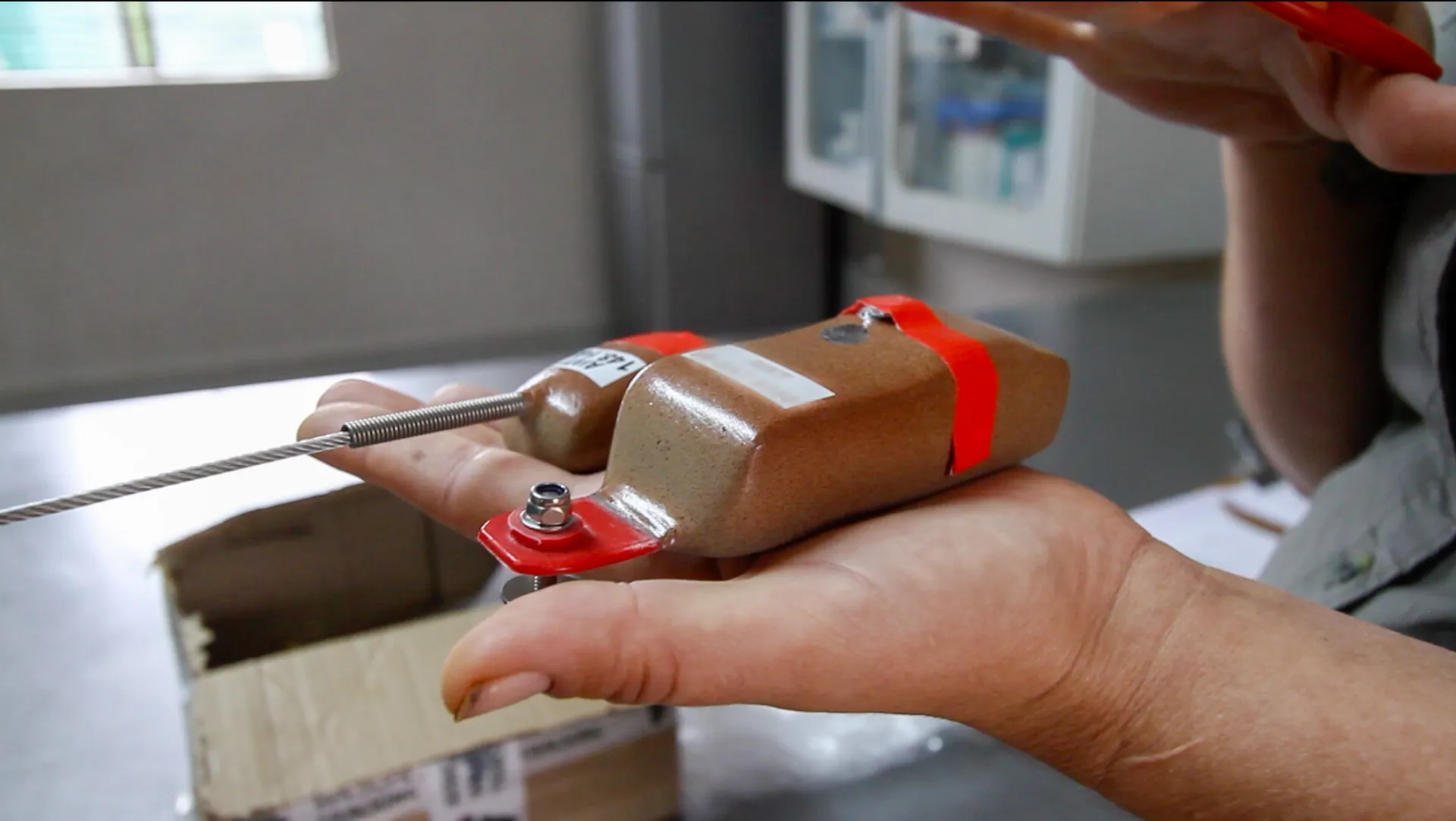
Rescuing a Pangolin from poachers is a costly and labour intensive process. The tracking tags alone - crucial for ensuring safe release - are $2,200 per Pangolin. We work with Provet Veterinary Hospital and Umoya Khulula Rehabilitation Centre to rescue confiscated Pangolins from poachers and rehabilitate them until they are ready to be released back into the wild. Despite rising numbers of Pangolins needing rescue and the difficulties in nursing them back to health, these two organisations are the leading authorities in southern Africa and have shown great success rates despite the odds. If you want to help us, help them to continue their work, please consider donating a set of Pangolin GPS tags.
To give you an idea of the long road of rehabilitating rescued Pangolins, here's a short overview of the process:
Upon arrival at the veterinary practice (phase 1), various procedures are conducted to assess the Pangolin's general condition. These include blood tests, radiographs (thorax & abdomen) and ultrasound. The time kept in captivity by poachers will directly determine the animal's condition and level of care required. The animal is intensively monitored by the veterinarian, involving: daily/twice-daily examinations awake & under anaesthetic; regular blood tests to monitor vital clinical parameters; daily oro-gastric tube feeding; regular/daily intravenous fluid administration; treatment of diagnosed diseases (biliary, pneumonia, endoparasites).
Because Pangolins are nocturnal and do not voluntarily feed on offered food - they have to be tube-fed under anaesthesia until they are able to walk and forage for ants & termites, accompanied by volunteers at night time for a minimum of 4 hours. Once a Pangolin has reached a stable condition without needing constant veterinary care, it is transferred to the registered and approved rehabilitation centre of Umoya Khulula to regain its full health (phase 2).
After this, the pangolin is released back into the wild using a soft-release method. The team carefully selects the release sites based on their expertise and assessment of the character and feeding preferences of the Pangolin in question, as well as the security of the release site. The release process involves regular monitoring of the Pangolin's movements and well-being in gradually-increasing intervals, by using the VHF & GPS tags (phase 3). The Umoya Khulula team train and assist the local monitoring teams at the release site, so that they are able to follow up after the full release is complete and the Pangolin is self-sufficient and thriving.
.webp)